Think. Design. Serve.
Think. Design. Serve.
Engineering is more than equations and blueprints: It’s about solving real problems that improve lives. At Southern, that vision has shaped the inaugural Bachelor of Science in Engineering graduates, who are already living out the motto of the School of Engineering and Physics: Think. Design. Serve.
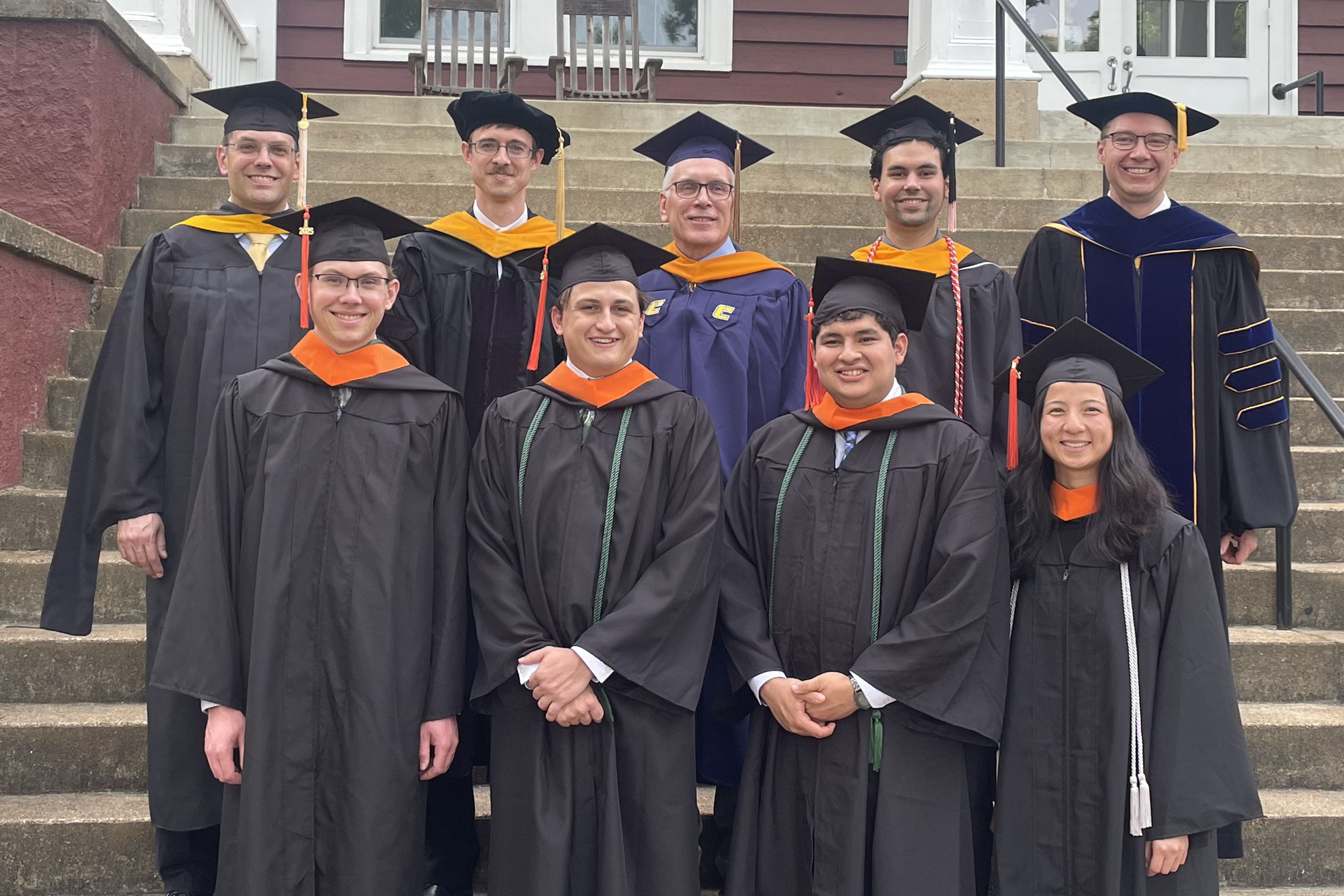
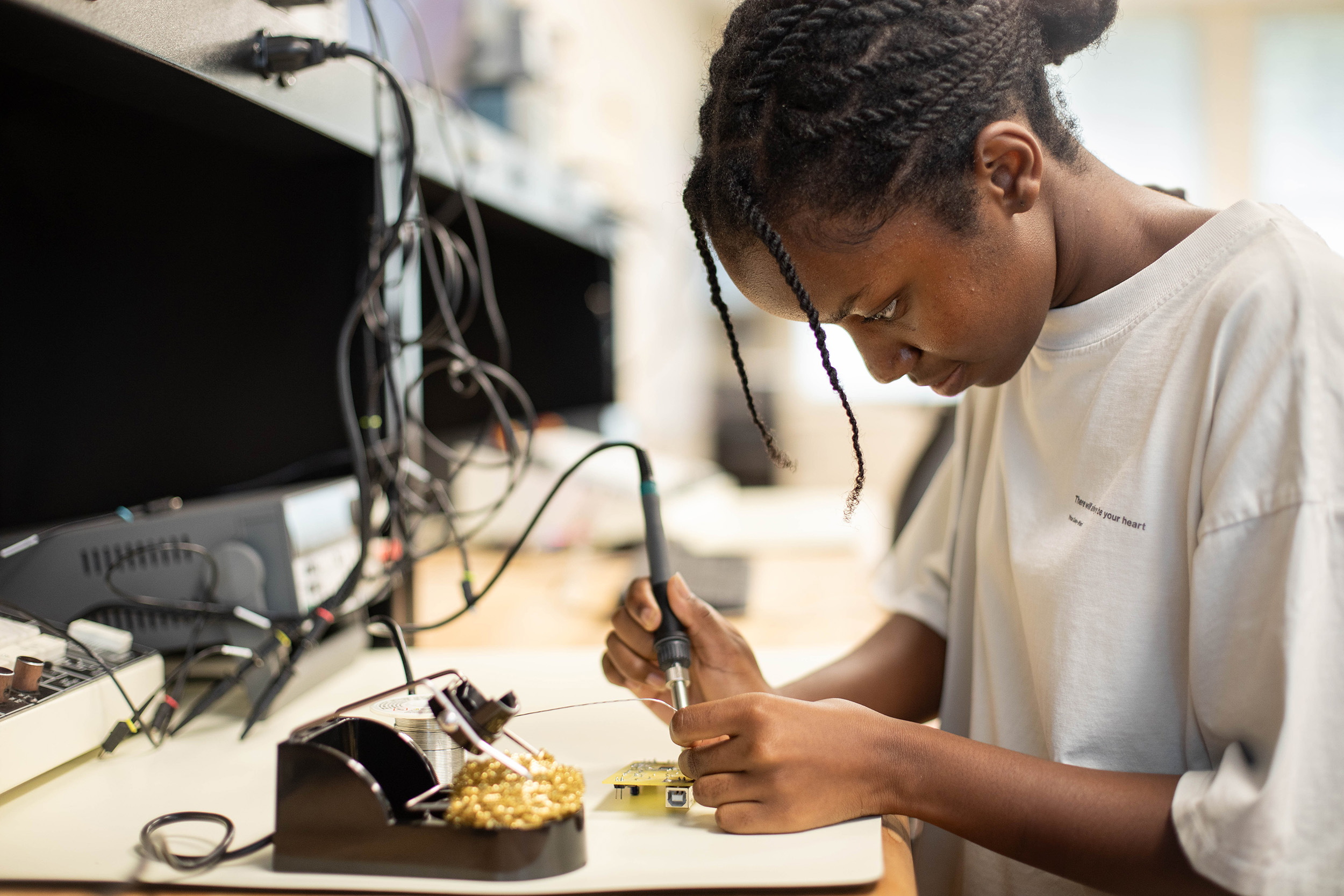
Joshua Harrington, Annaliese Haugen, and Daniel Marquez chose an emphasis in mechanical engineering; while Tyler Vaudreuil focused on electrical engineering. All graduated with honors and marched in the Commencement ceremony in May 2025. And they didn’t just graduate with impressive GPAs. Each one passed the rigorous Fundamentals of Engineering exam on their first attempt. Taken annually by some 20,000 aspiring engineers as the first step in the engineering professional licensure process, the exam has a national first-time pass rate of approximately 70 percent.
“We were very blessed with a highly motivated and competent group of seniors,” says Associate Professor Jay Anders. “Throughout their training, we stressed the importance of the Fundamentals of Engineering exam, and each one of them stepped up to the challenge.”
A Capstone That Makes a Difference
As part of their two-semester Senior Capstone Design course, the group completed a hands-on, community-centered project that went far beyond the classroom.
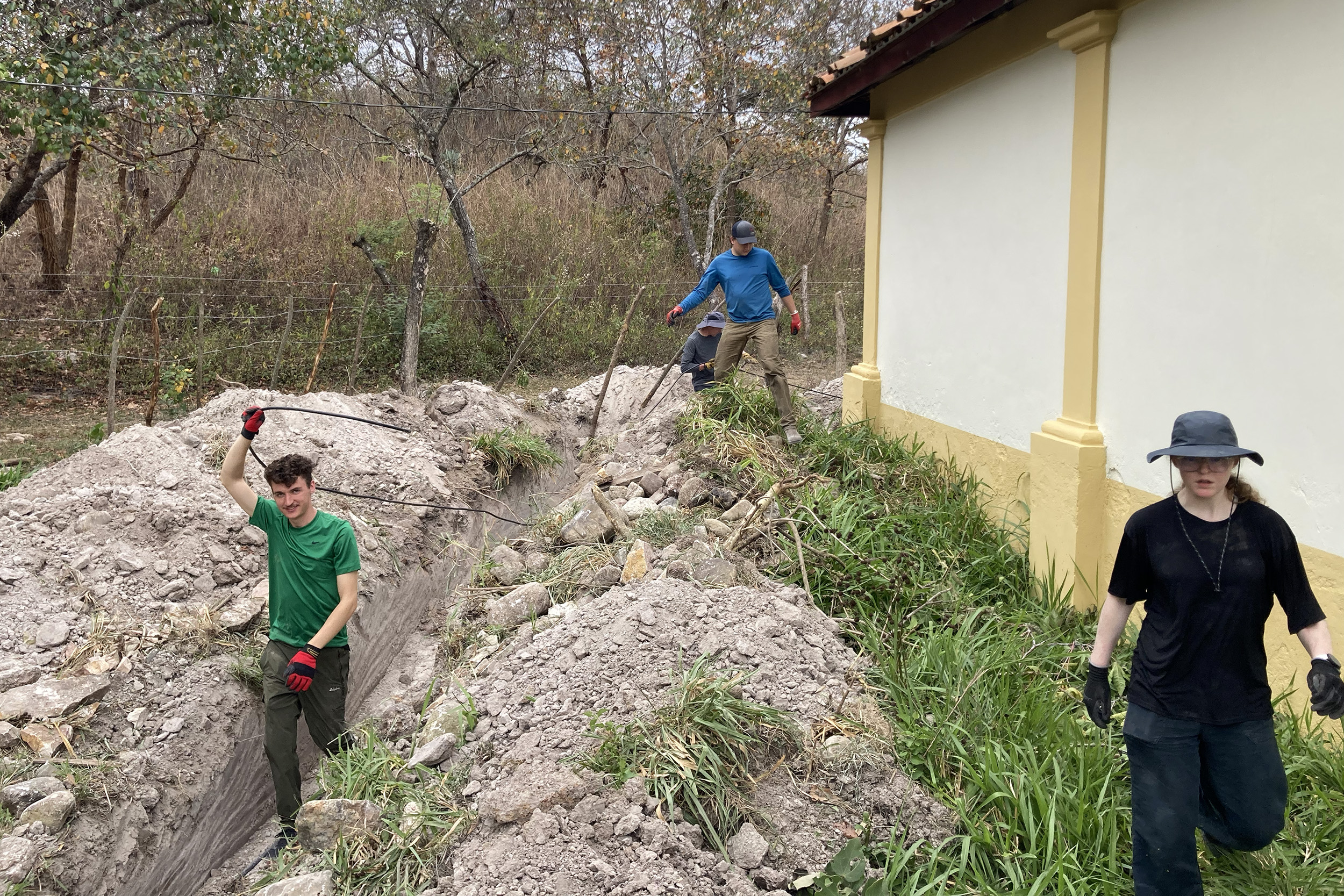
Rather than take on a local assignment, the students chose to partner with VIDA Internacional, a nonprofit organization in El Suyatal, Honduras, that trains missionaries in Central America. VIDA runs a bilingual school, provides evangelism training, and operates a lifestyle center, supported by income from bakery sales and housing rentals.
“Several different kinds of projects were presented to the Class of 2025, but they collectively and deliberately chose one with a mission orientation to complete over spring break,” says Tyson Hall, ’97, PhD, dean of the School of Engineering and Physics, “although I don’t think they expected the project to become so full scale!”
Turning Plans Into Progress
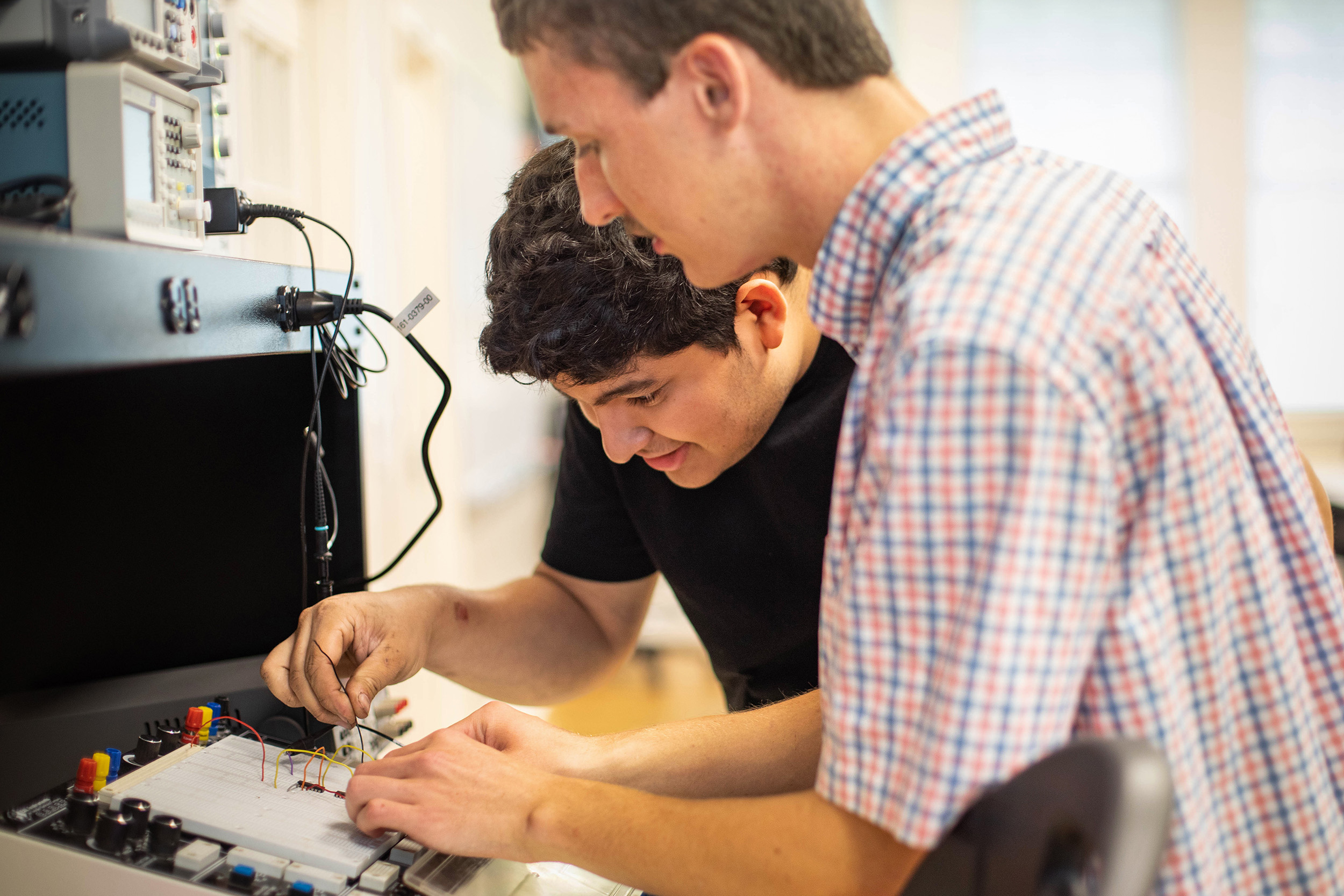
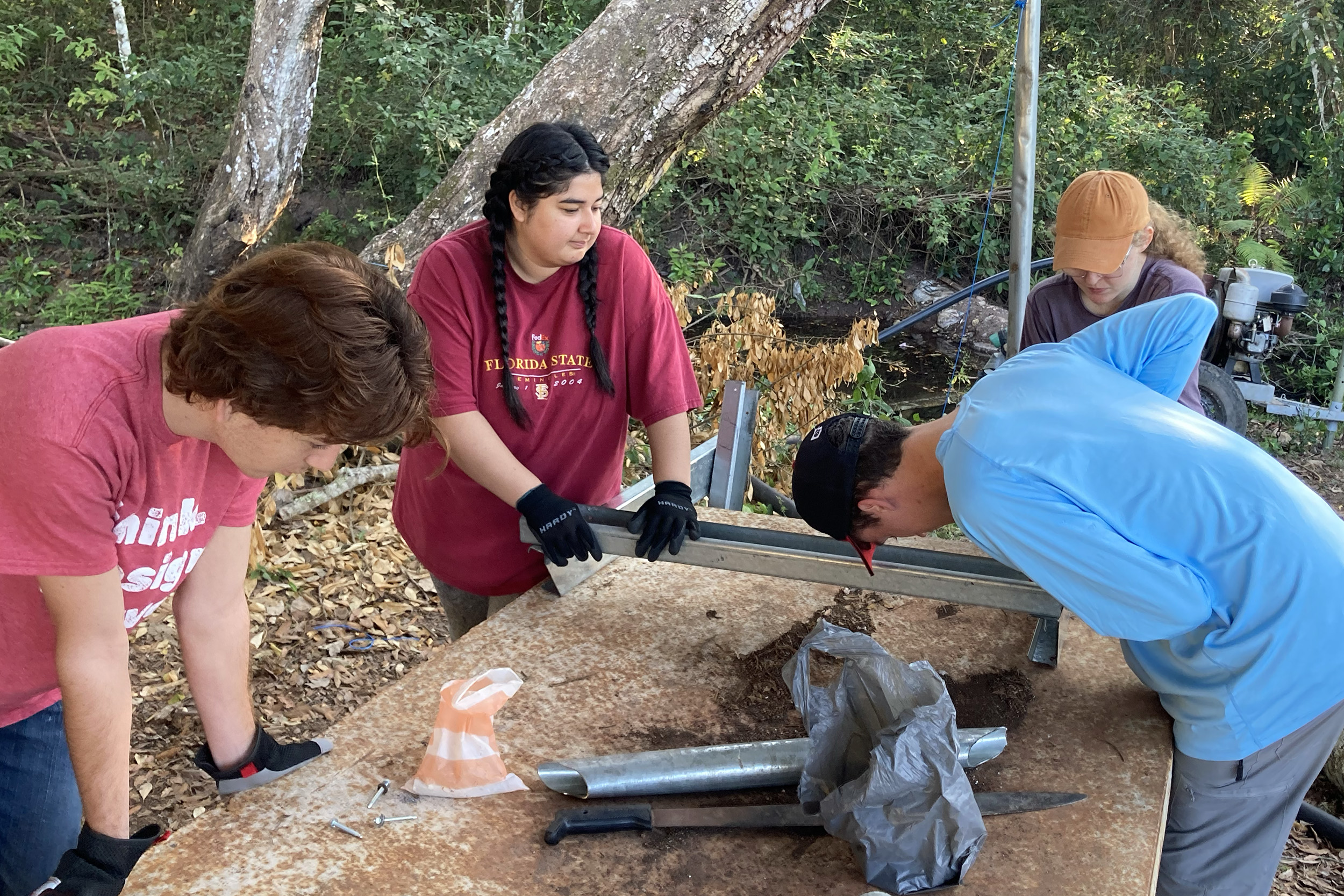
The team decided to design and implement improvements to three major systems at the mission: air conditioning, water delivery, and electrical infrastructure. Tin roofs on the mission’s buildings and a lack of insulation were causing scorching indoor temperatures, forcing summer closures. Jugs of bottled water were expensive and laborious to haul to the mission, and sources of clean water for cooking and hygiene had proved unreliable. Power delivered through extension cables was inefficient and unsafe.
Under the guidance of Anders and Associate Professor Sean Walters, PhD, the students spent the fall semester developing a plan. They analyzed every aspect of the mission’s operations: energy demands, occupant needs, water flow rates, and safety standards. Discussions in the classroom covered real-world impact areas—health and safety, environmental responsibility, cost efficiency, and more—and helped guide decisions such as burying power lines and using nonpotable well water rather than damming a stream. The group also evaluated requirements for power, water, and cooling on-site, and conducted simulation analyses before delving into more specific project details.
“Managing a project from start to finish on our own was a major learning experience,” Haugen says, “and working on my specific area of focus was especially helpful. It was fascinating to see concepts from our Heat and Mass Transfer course come to life in an actual application while working with the HVAC system.”
Challenges in the Field
By spring, the team had developed a full-scale proposal, including a budget with contingencies and a four-month timeline for design and testing, then a week-long implementation over spring break. But even the best planning couldn’t anticipate every challenge.
Most supplies and equipment for the project could not be purchased until the team arrived in the country, and upon learning that some items were not available in Honduras, the students had to implement revisions at the last minute.
“We were still designing while on the plane during the flight over,” Vaudreuil recalls. “I understand more than ever how obtaining accurate field data is crucial in creating any solution. Precision helps an engineer avoid miscalculations, whether it’s the length of cable or the number of pipes needed, especially when supplies are hard to come by.”
Harrington adds, “The trip was a reminder that conditions out in the field and supply shortages in foreign cities often make it necessary to change engineering plans on the spot.”
Nearly a dozen sophomore and junior engineering majors joined the seniors on the trip to help with implementation, translation, and Vacation Bible School programming.
“The students worked from sunup to sundown the entire time in Honduras,” Anders notes. “It’s really quite impressive how much they accomplished on all three new systems. They went above and beyond to meet the needs of the ministry.”
The feeling was mutual. “Our professors truly cared about us and were always willing to help,” Haugen says. “Having small class sizes, we built strong relationships and got the support we needed.”
Marquez adds, “There were countless moments when professors offered guidance, encouragement, and even life advice outside of class. I also benefited greatly from the strong sense of community that made my learning experience both meaningful and memorable.”
The value of effective time management is one specific takeaway that Marquez carried into his professional career. “As an engineer, it’s not enough to simply give my best,” he says. “I must do so efficiently and reliably, ensuring that excellence is delivered, not just in quality but also in timeliness.”
Learning That Lasts
After returning to campus, the team wrapped up the project by creating user manuals
for each of the three new systems, enabling VIDA to operate and maintain each system.
According to Hall, the value of the experience extended far beyond their newly acquired
technical skills.
“Any real-world project adds incredible value,” Hall says, “but coordinating and executing
one in another country? That’s a level of leadership, problem-solving, and service
that truly sets our students and faculty apart.”
Today, Harrington is working with Tennessee’s Oak Ridge National Laboratory after spending the summer at a solar company in San Jose, California; Vaudreuil is employed by Mesa Associates in Knoxville, Tennessee, in the power sector. Marquez joined Belcan and will contribute to NASA’s Space Launch System; and Haugen is actively exploring a full-time role where she can apply her engineering expertise.
Marking more than just a symbolic milestone, graduation of the first class also allows the School of Engineering and Physics to officially begin the 18-month evaluation process through the Accreditation Board for Engineering and Technology, a significant achievement that highlights the program’s academic credibility and commitment to professional standards. Interest continues to grow, with 118 students enrolled for the Fall 2025 semester, surpassing projections twofold and underscoring the program’s momentum.The age-old tradition of blending science and technology to find solutions is rooted more deeply than ever on Southern’s campus, and the needs in today’s world continue to be met by those committed to thinking, designing, and serving.
By Tina Frist Smith, ’89 and ’23, communication manager