Feature
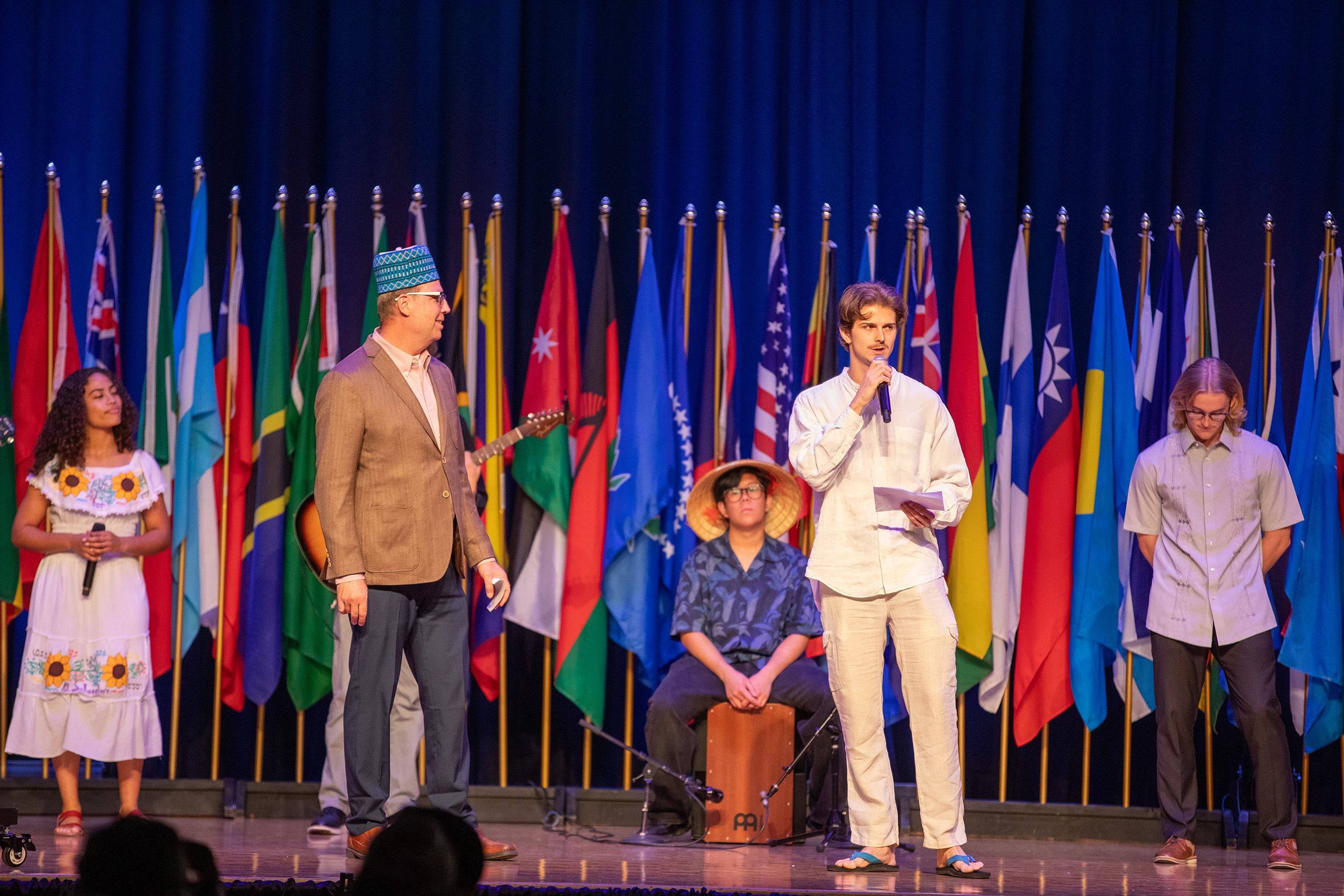
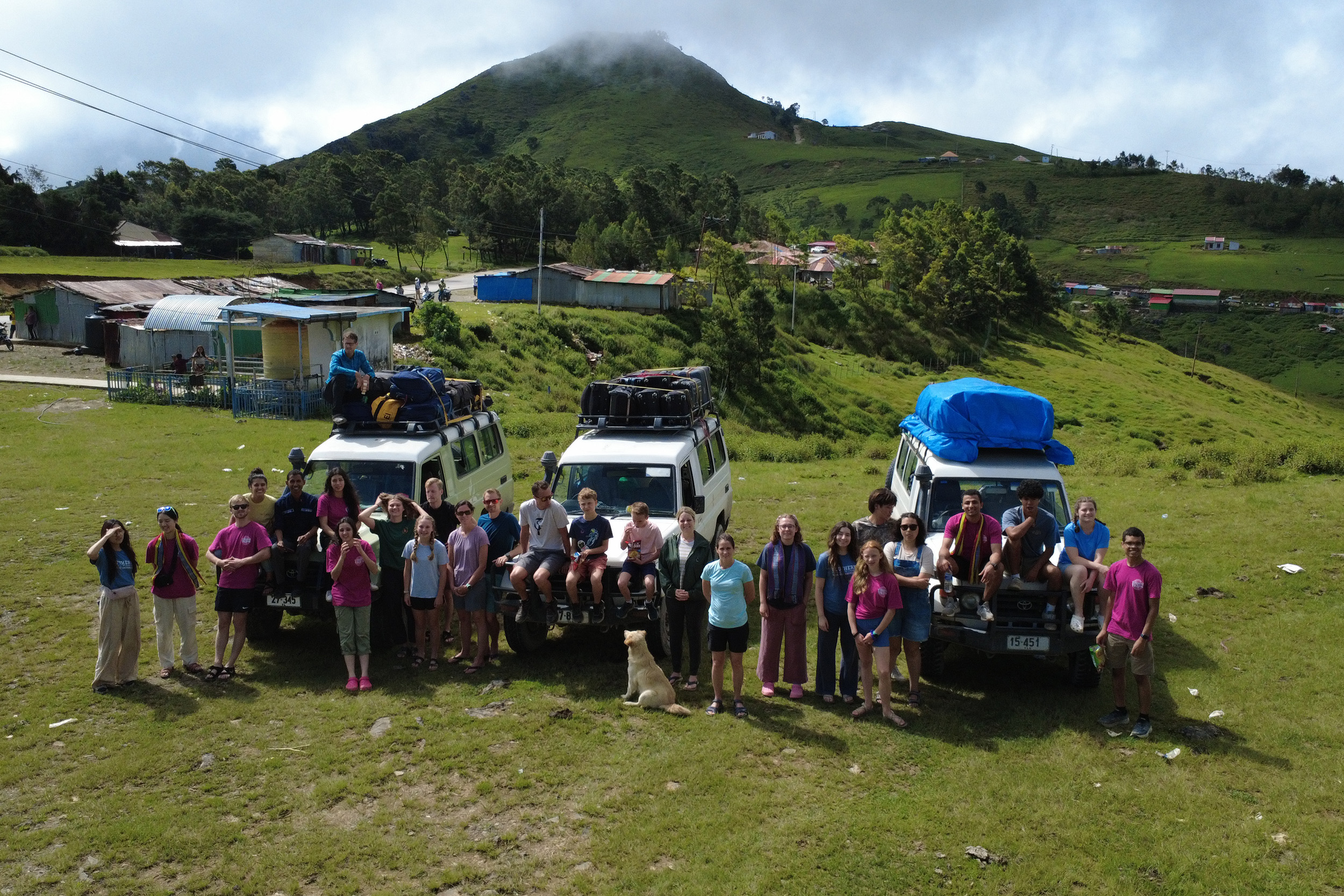
For nearly six decades, Southern students have answered calls to serve as student missionaries around the world. Now, thanks to a recent project by McKee Library called Living Memoirs: An Oral History Collection, their stories are being preserved for generations to come.
The initiative captures firsthand accounts from Southern’s student missionaries dating back to the program’s inception in 1967, including the joys, challenges, and spiritual growth that come from sharing Christ’s love across cultures.
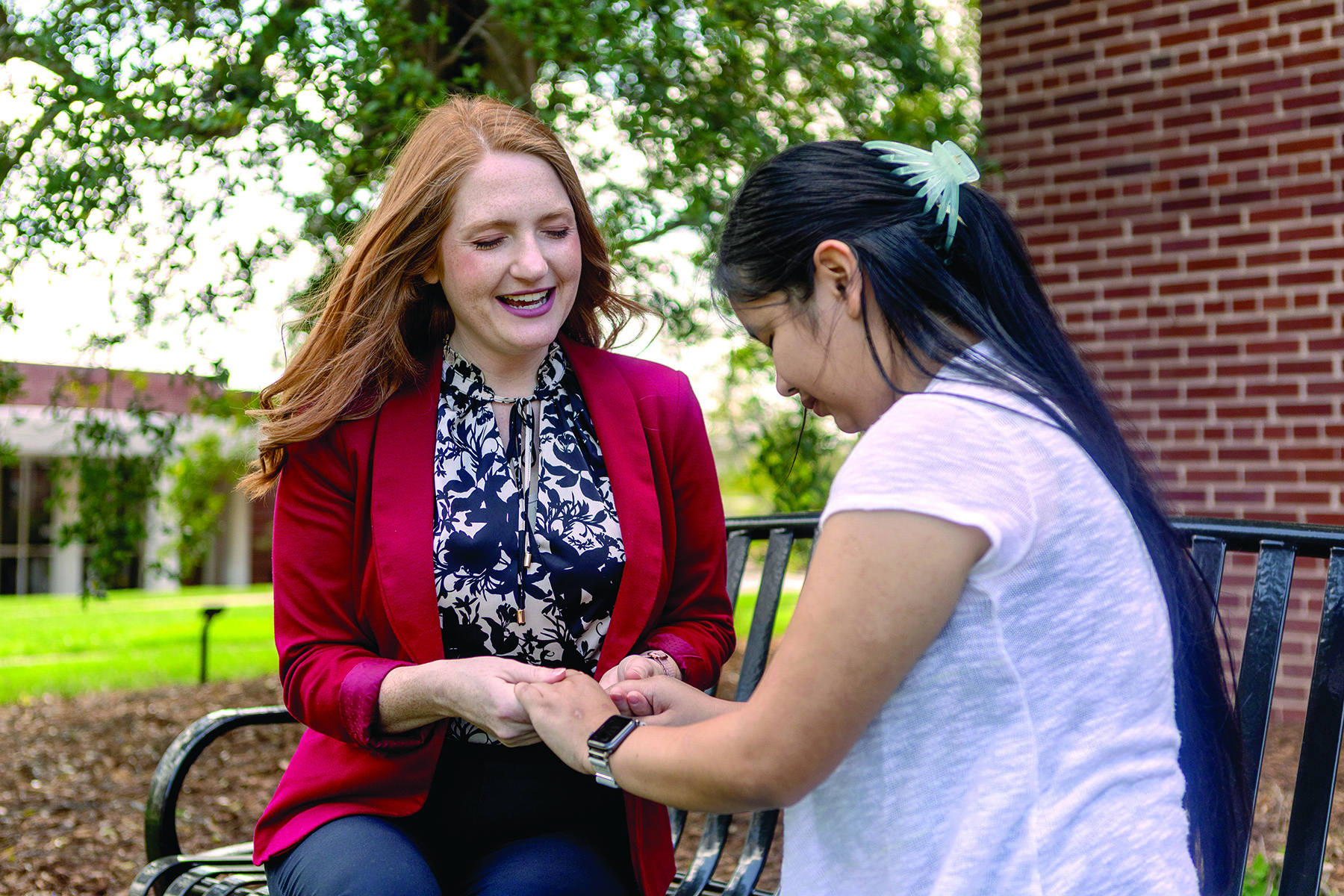
“We wanted to let our students and alumni tell their experiences of the mission field authentically in their own words,” shares Bethany (Thornton) Howard, ’18, public services librarian, who led the project.
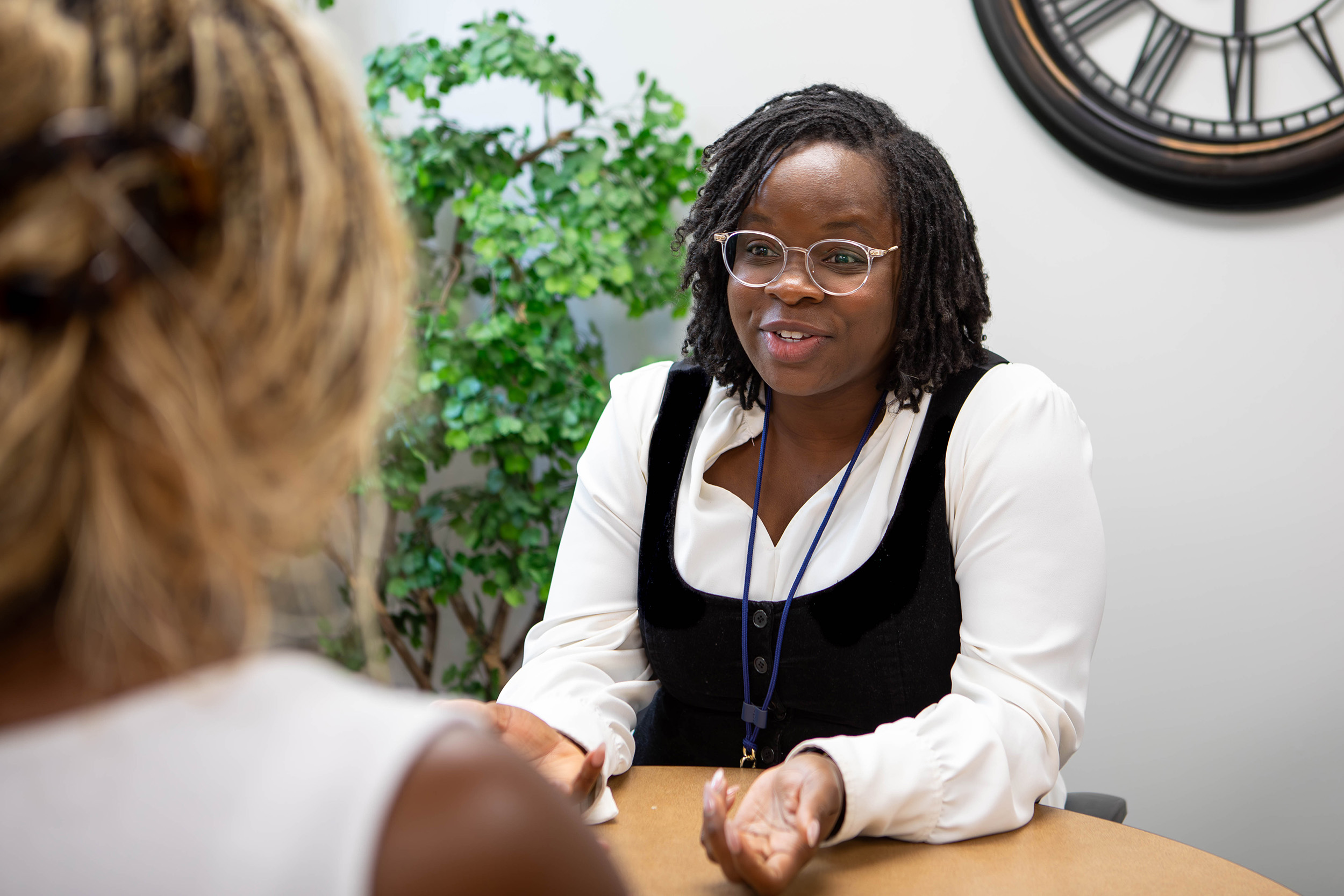
Under Howard’s guidance and with technical support from Research Services Librarian Jessica Spears, dozens of missionaries were interviewed by graduate research assistants Ali Leonor, ’22, and Savanna (Gregory) Stowell, ’24, to create a collection that highlights how missionary service shapes the lives, faith, and callings of those who participate.
Being Transformed
The interviews capture deeply personal accounts of former missionaries, many of whom credit those experiences with deepening their faith and setting them on lifelong paths of mission work or service-oriented careers.
Harry Nelson, ’70, whose story marks one of the earliest in the collection, credits his time as a missionary in Borneo with shaping his entire life’s direction.
“The rich experience I had … was just a stepping stone into not only enjoying a professional career as a medical missionary but also being a supporter for our worldwide Seventh-day Adventist work,” he says. “I value my student missionary experiences as foundational.”
Marty Miller, ’83, accepted a call to teach on Majuro in the Marshall Islands during the early 1980s. Miller remembers the diversity of learning abilities in one classroom. “It was pretty staggering,” he says. “Teaching was not easy, but it was one of the best experiences of my life.” Miller credits his career in education to his formative experience on Majuro.
Nearly a decade later, Lori (Pettibone) Futcher, ’94, taught at the same school as Miller, and her experience on the island also provided life lessons. “It was a chance for me to really grow up and mature,” she explains. “It solidified that God did have a purpose for me, and I began to understand more about listening to the Holy Spirit.”
Changing Lives Today
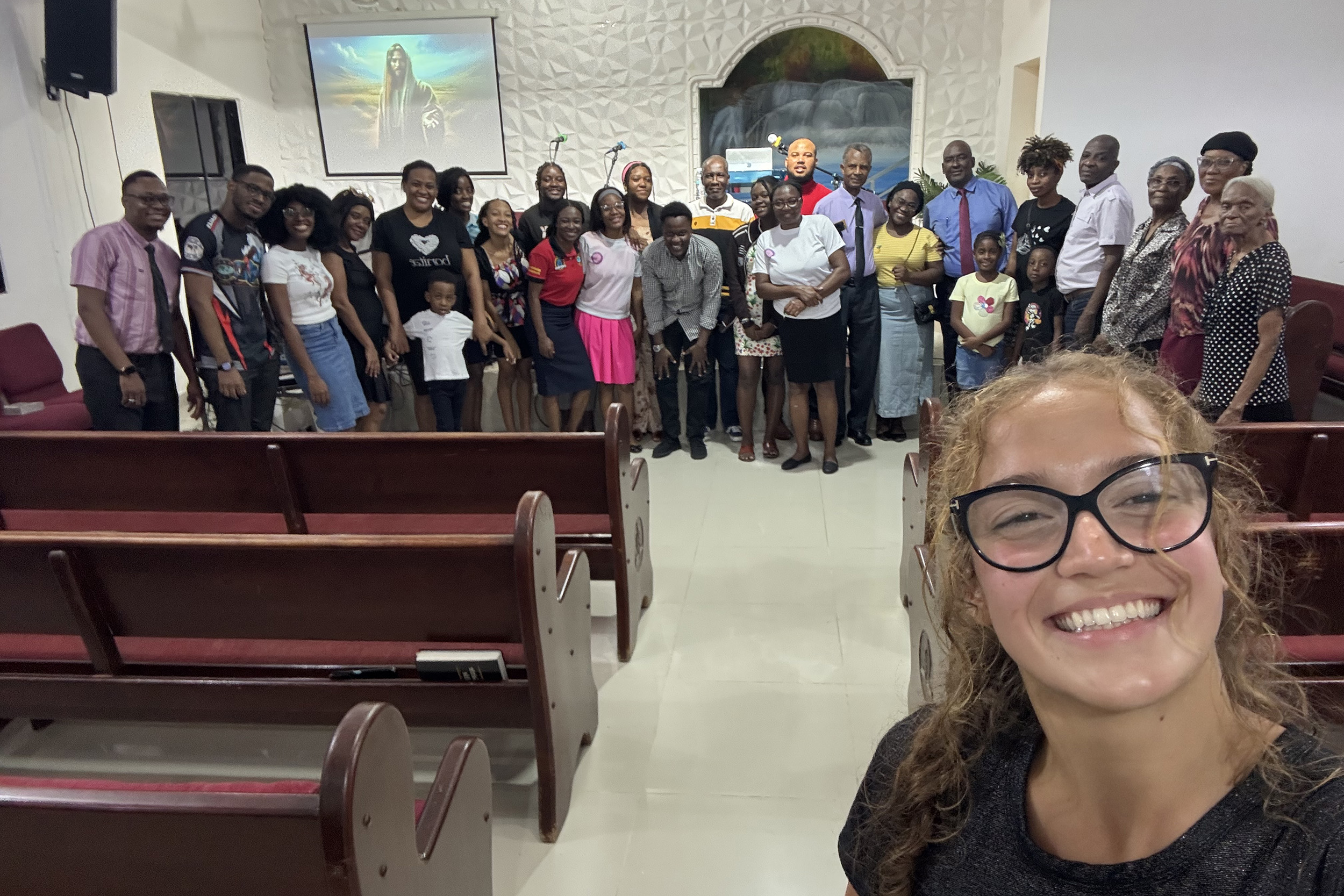
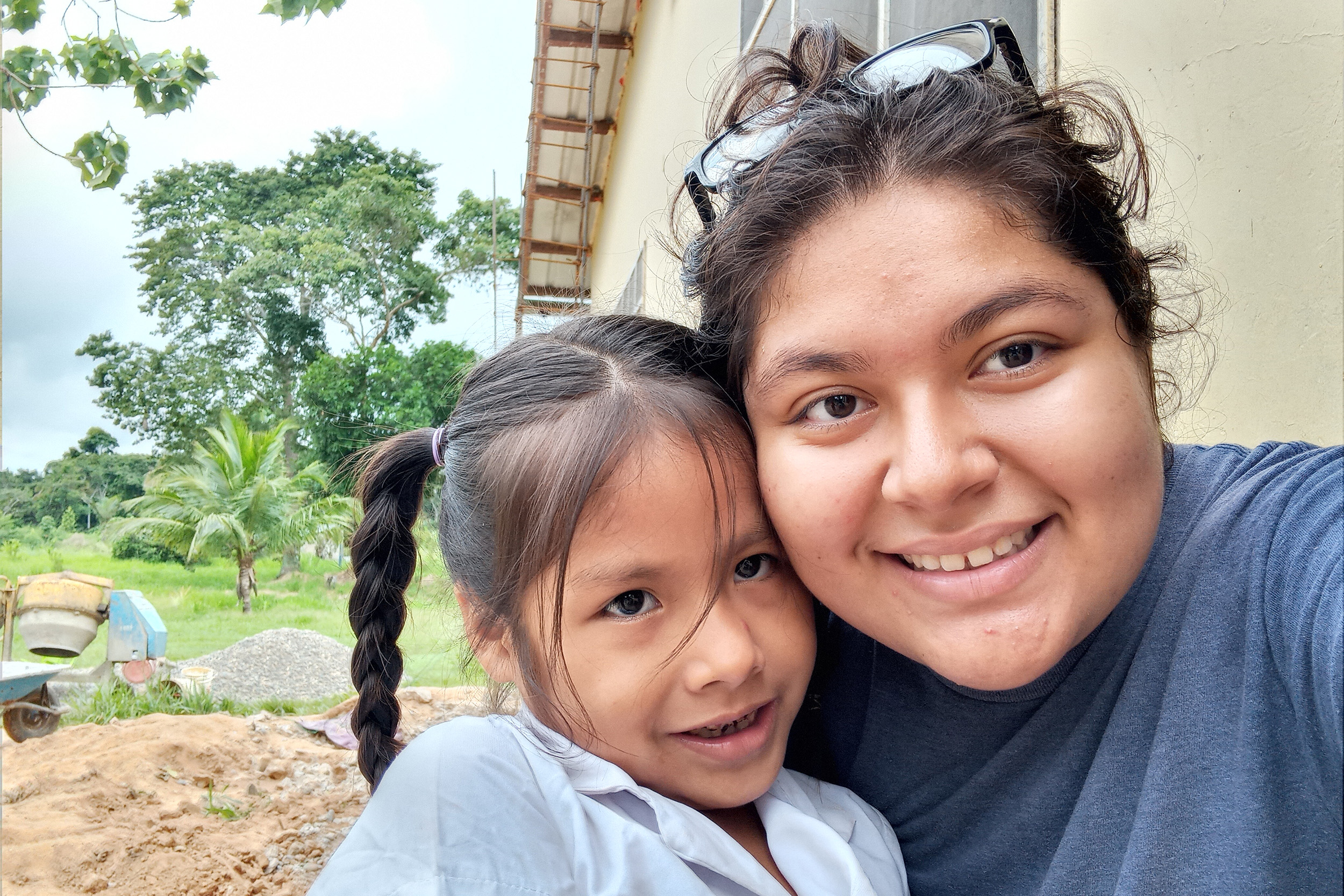
The collection also includes more recent voices, such as Kasey Castellanos, ’26. Early in her life, her younger brother passed away due to medical complications, which took a toll on her spiritual life. Though she reconnected with God in high school, Castellanos still felt something was missing. A mission year to begin her college experience changed everything. Serving at Familia Feliz, a Bolivian boarding school for orphaned and abused children, she learned to rely fully on God.
“There were days when I was so physically, emotionally, and mentally exhausted that I had to ask Him to give me the strength to go play with kindergarteners for hours,” Castellanos says. “It’s a lot easier now to ask God for help and for strength than before I went abroad.”
For Castellanos, some of the most meaningful moments came from forming strong connections with the children. “One student told me she never really felt like she was relating to anyone on staff until she met me,” Castellanos recalls. “That’s when I realized that my time in Bolivia wasn’t for nothing. My tears and laughter were all part of God using me to bless those kids.”
Preserving a Spiritual Heartbeat
Interviews in Living Memoirs: An Oral History Collection are preserved through audio recordings and transcripts, offering an inspiring glimpse into Southern’s mission tradition and ensuring these experiences continue to impact future generations.
The views and opinions of campus guests do not necessarily reflect the official policy or position of Southern Adventist University. An individual's or group's invitation to speak or present on campus should not be regarded as a university endorsement of their philosophies and beliefs.