Transfer Students
Transferring Credit from Other Schools
Transferring Credit to SVAD
Students transferring into the School of Visual Art and Design (SVAD) who wish to receive credit for previously completed studio art courses from another college or university may do so through a portfolio review process. This review applies only to art-specific coursework that resulted in studio projects, including but not limited to drawings, paintings, digital designs, logos, posters, animations, films, and websites. General education credits may transfer automatically; students should consult Records and Advisement regarding such transfers.
The portfolio review is conducted on a per-course basis to determine whether coursework completed elsewhere meets SVAD's standards of rigor and learning outcomes and adequately prepares the student for subsequent coursework. The portfolio review does not affect admission into the program (see program acceptance requirements for more information). Each course considered must be worth 3 semester credit hours.
Required Submission Materials
To receive transfer credit for any studio-based art course, students must submit materials that allow the review committee to comprehensively assess the course. Submissions must include:
- Course description
- Course syllabus
- Visual documentation (PDF, JPEG, MOV, etc.) of completed projects listed in the syllabus
- Exercises and supporting process work (encouraged but not required)
Incomplete submissions may delay or prevent review.
Submission Process
Students seeking transfer credit must organize their completed coursework and submit it for review via a cloud-based file-sharing link.
Steps:
- Upload all required course materials to a cloud-based storage service (e.g., Google Drive or Dropbox)
- Clearly label folders and files by course
- Generate a shareable view-only link
- Email the link to art@southern.edu with a subject line that lists the course(s) submitted for review and your degree program at Southern
Review Outcomes
Each course submitted for review will result in one of the following outcomes:
- Course accepted for full transfer credit
The course is approved as equivalent to the corresponding SVAD course. - Remedial project required
A supplemental project is assigned to address gaps in preparation. Upon successful completion, transfer credit is granted. If the work does not meet university standards or is not completed within the agreed-upon timeline, students may be advised to retake the course at Southern. - Course not accepted
The course does not meet SVAD requirements and must be repeated at SVAD. This determination reflects our commitment to ensuring students have the foundational skills necessary to succeed in advanced coursework and secure employment after graduation. Experience has shown that students who advance without thoroughly mastering foundational material face significant challenges in upper-level courses.
Foundational Courses and Transfer Credit Expectations
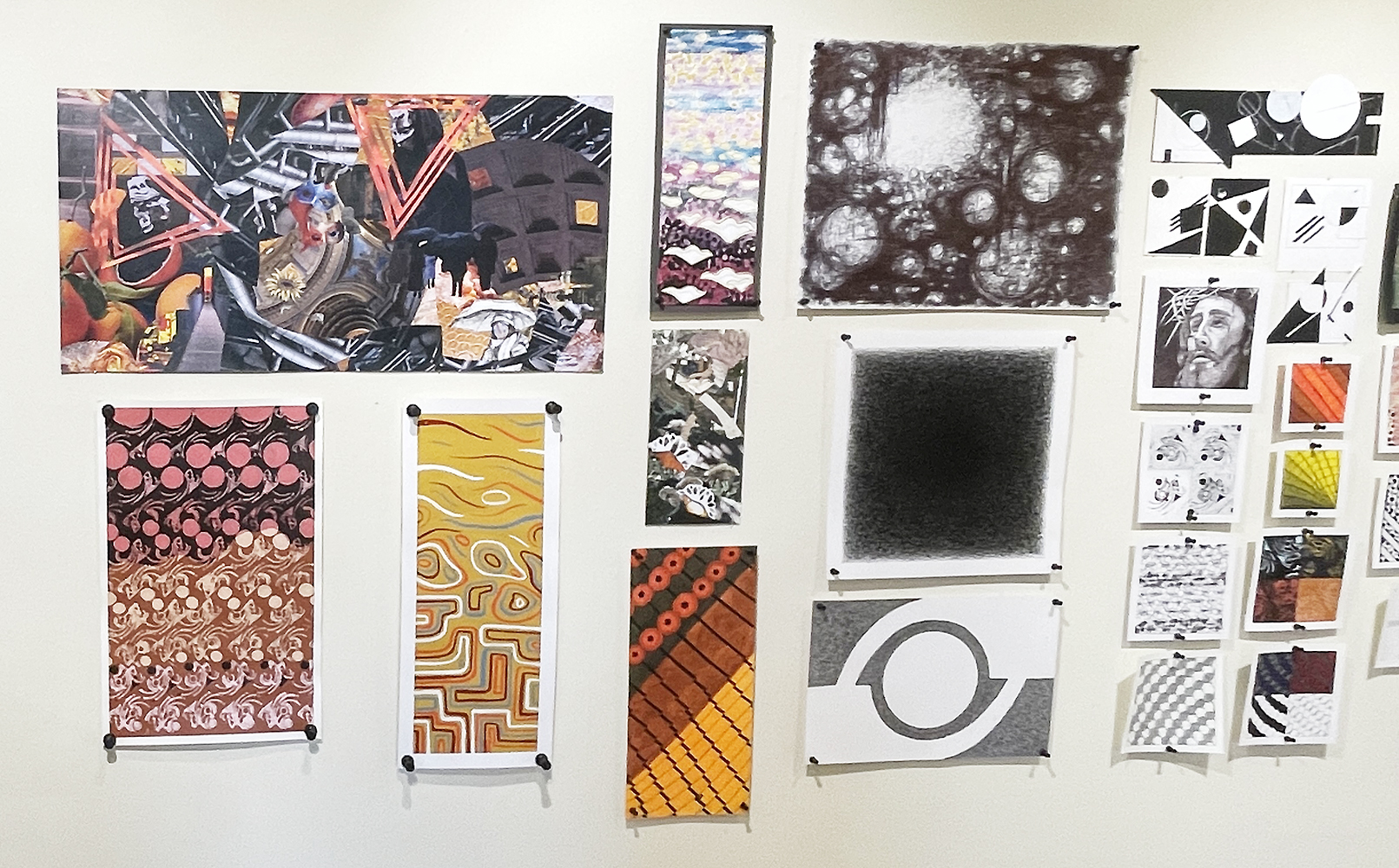
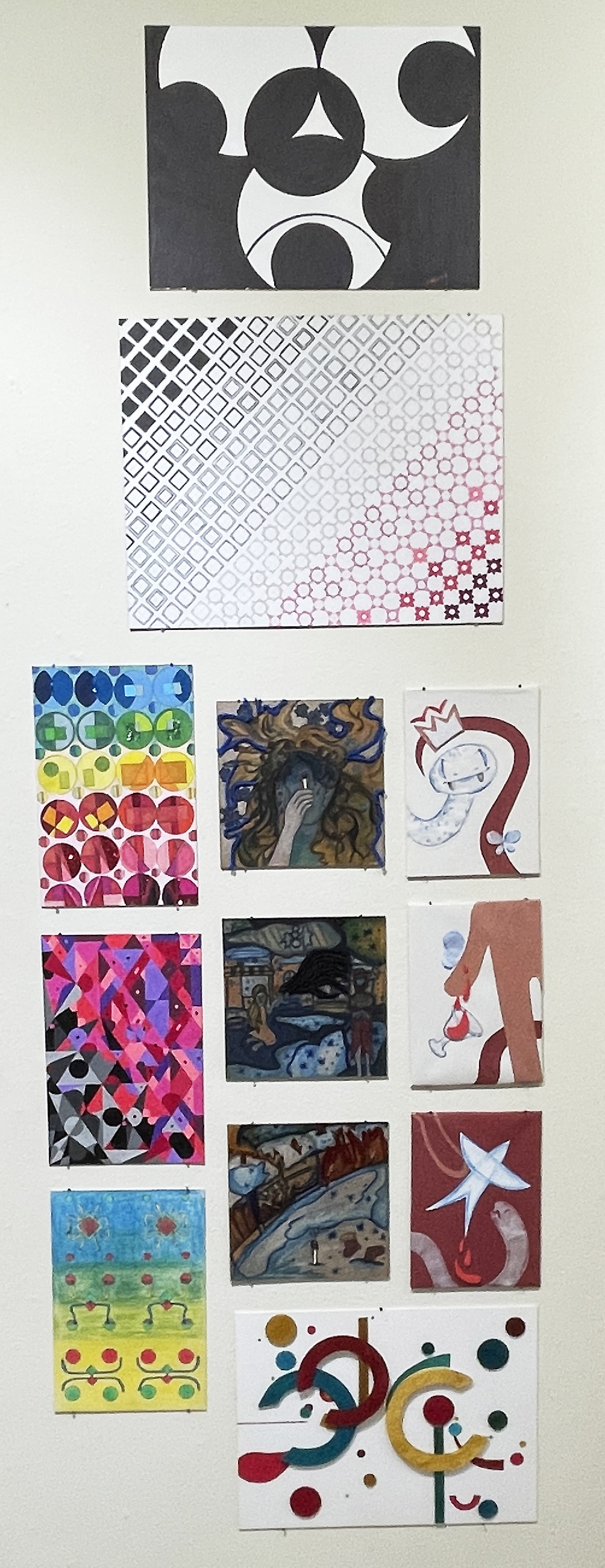
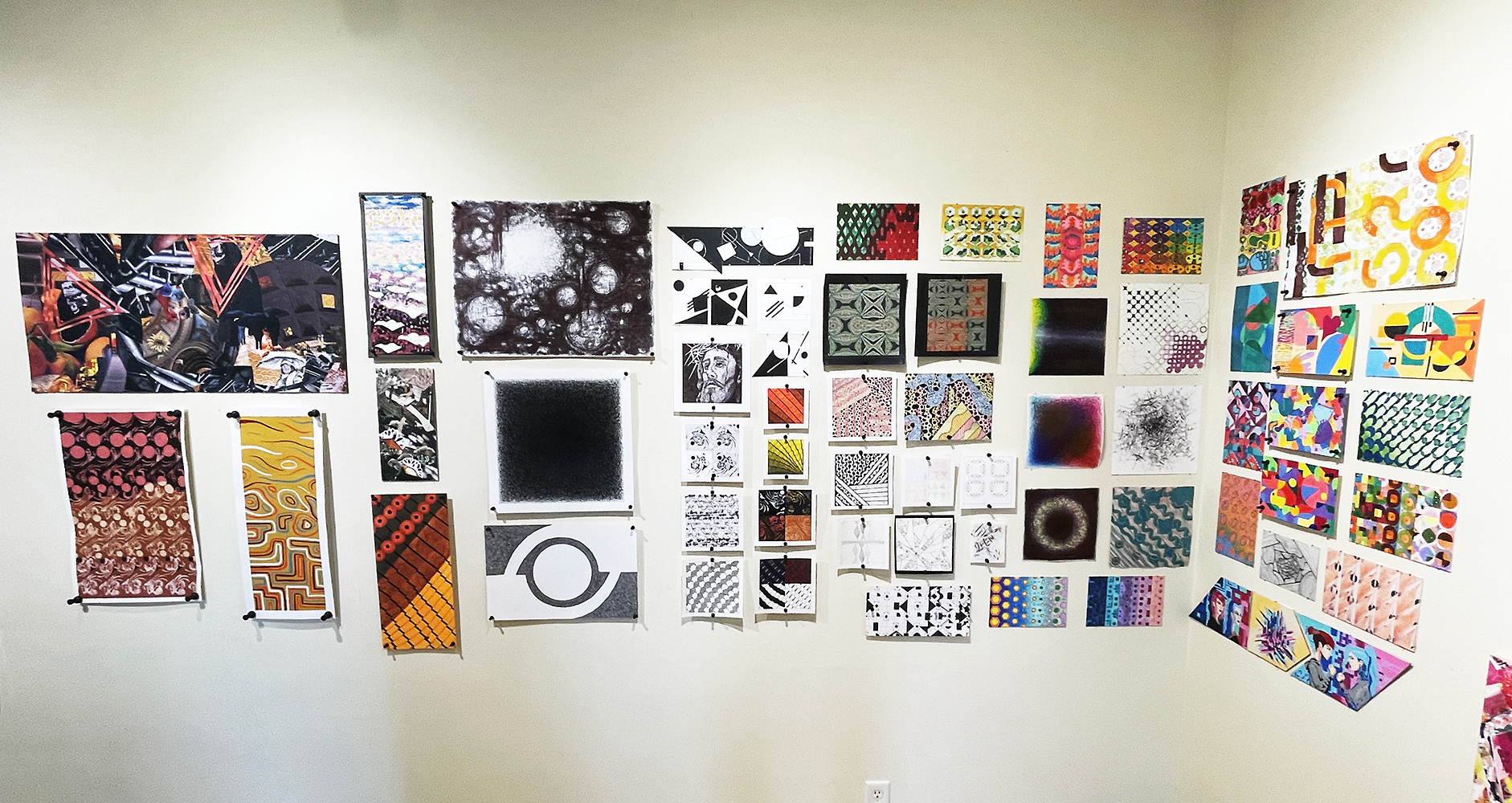
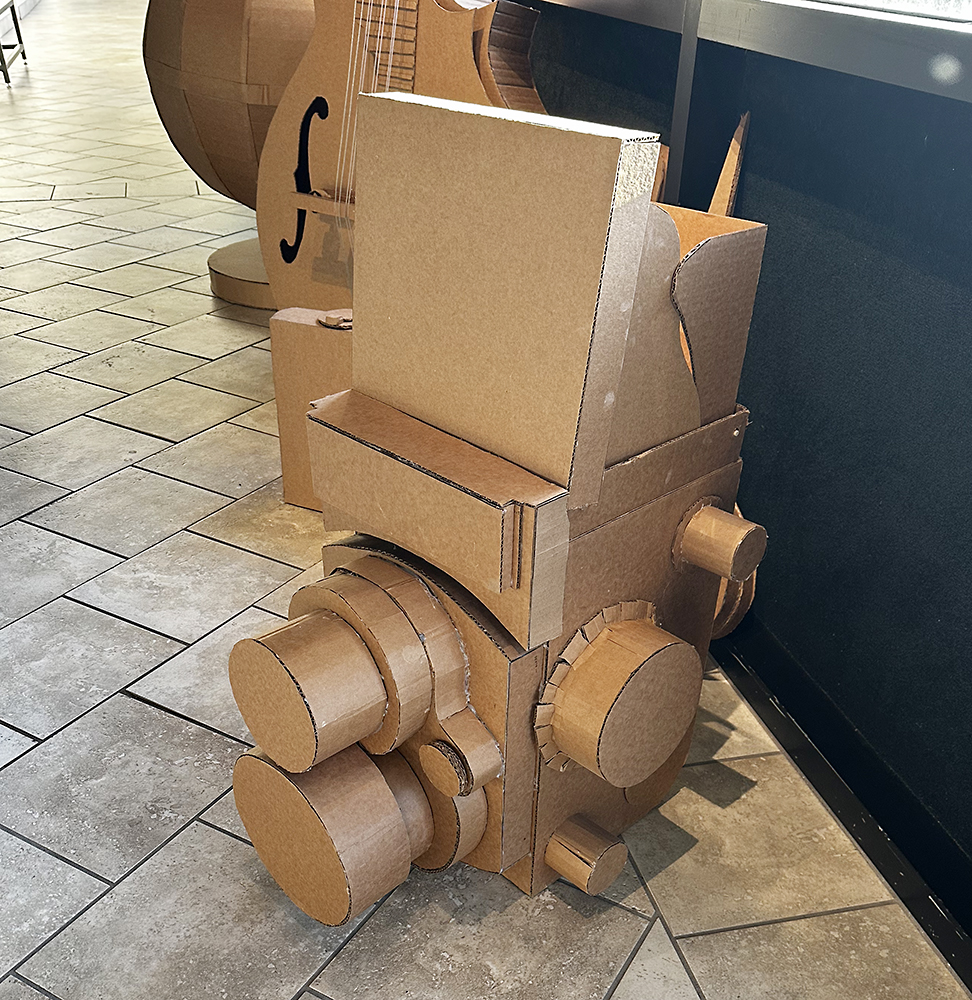
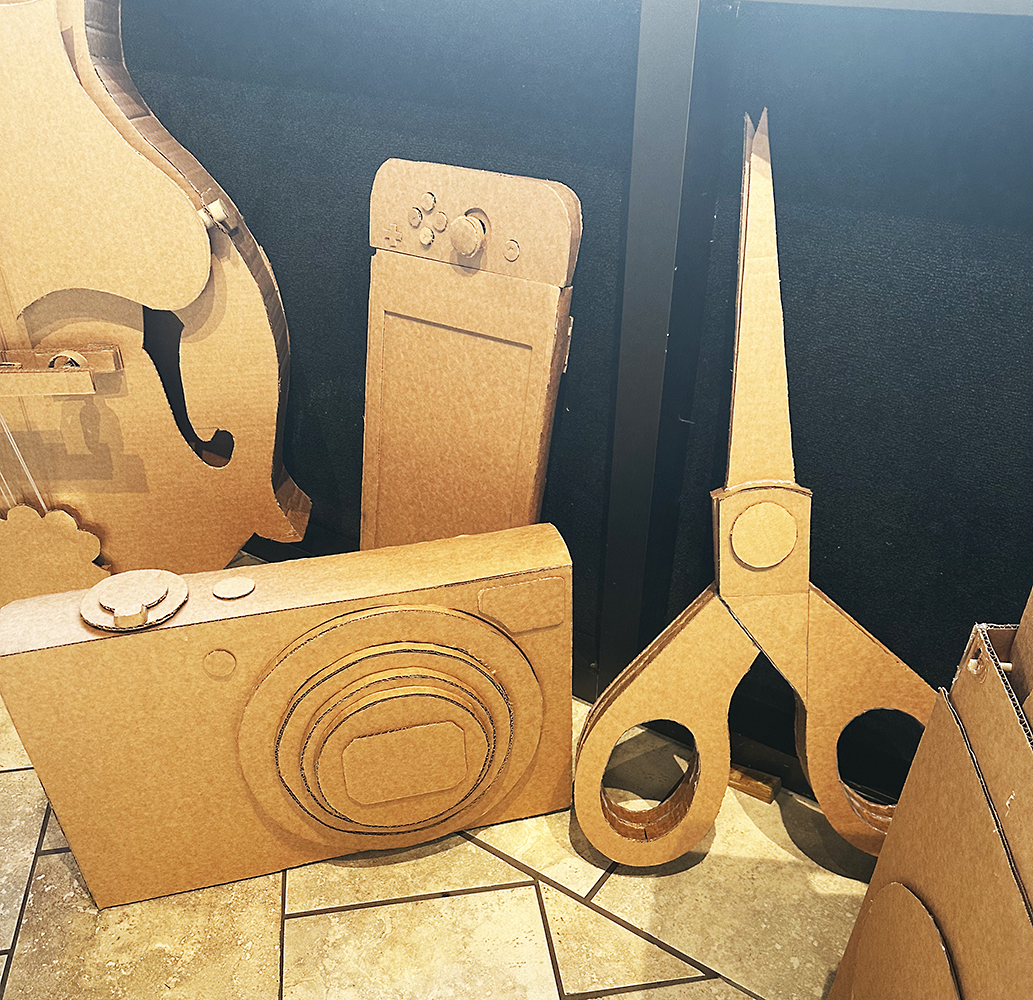
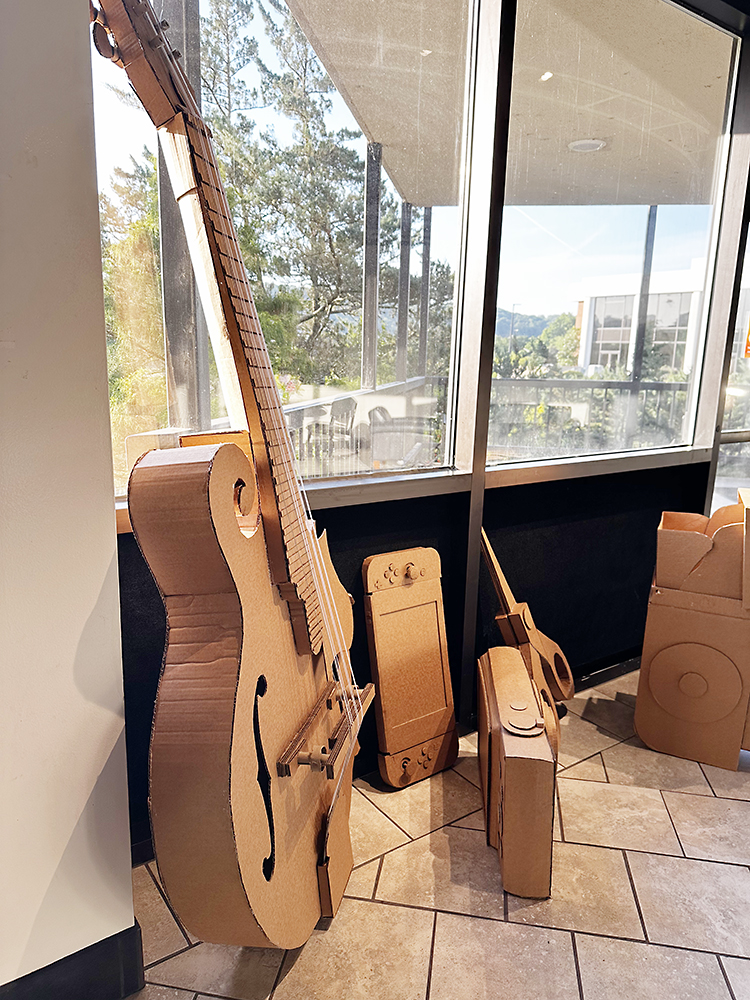
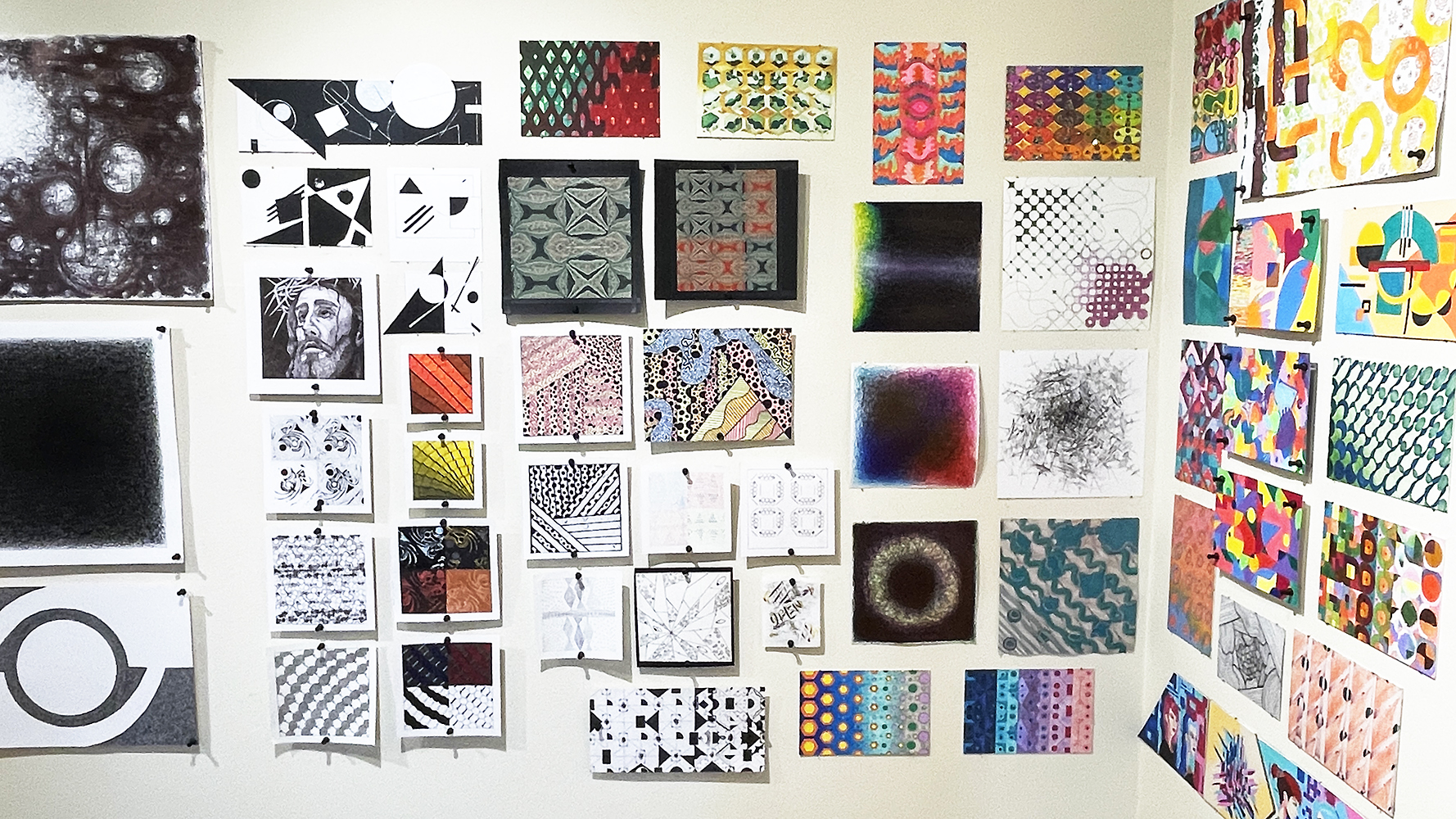
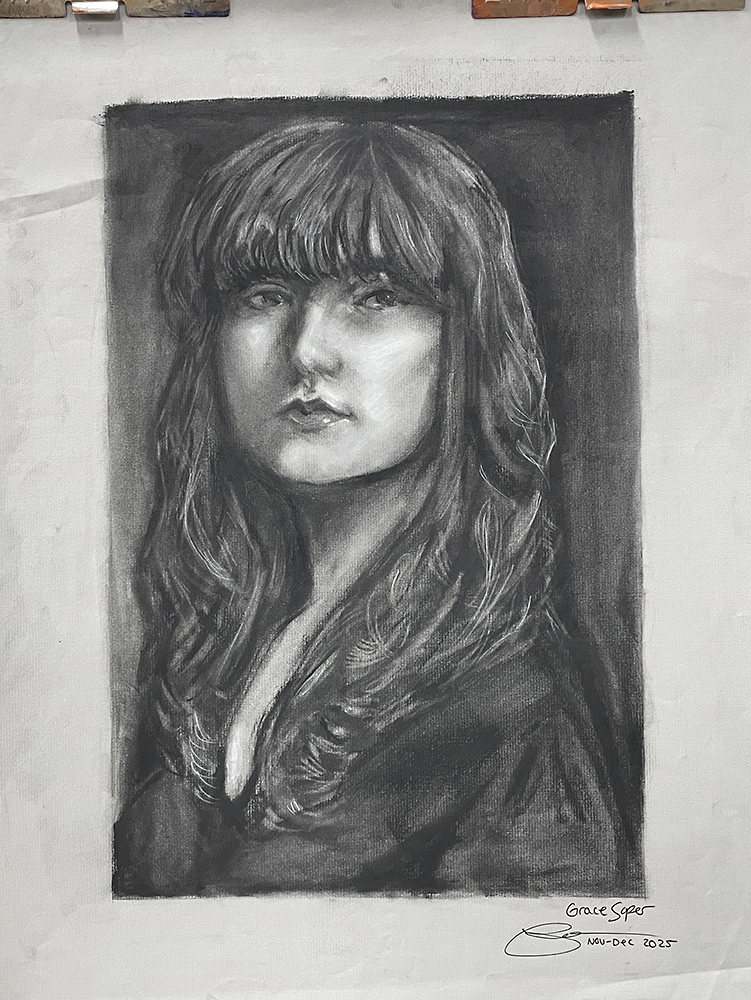
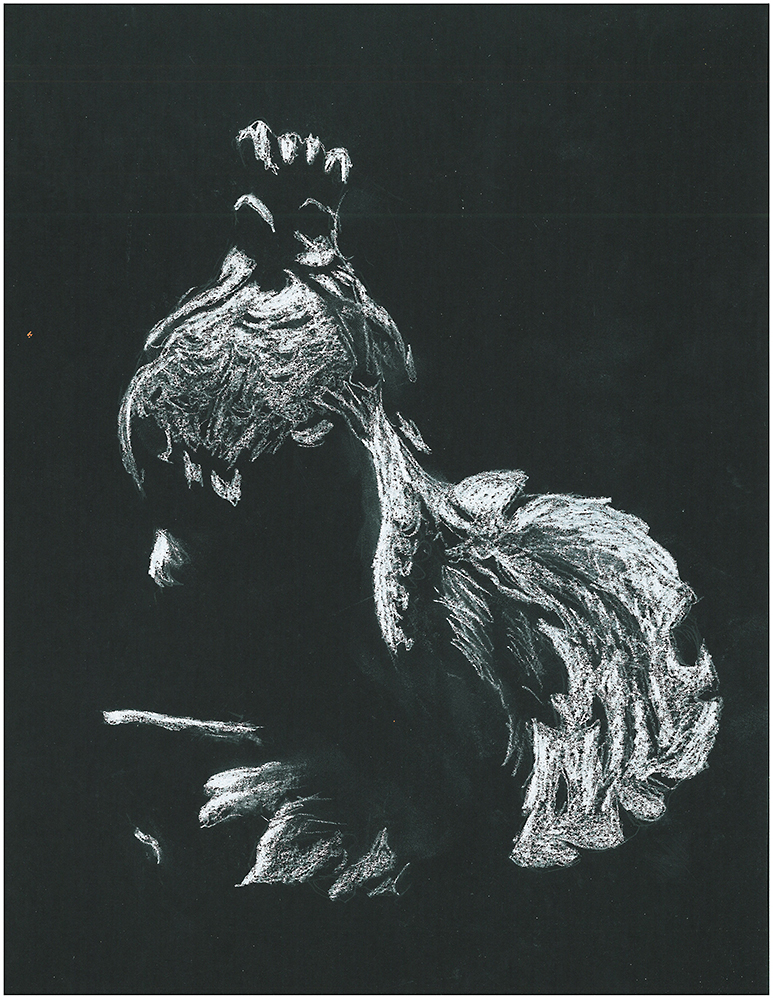
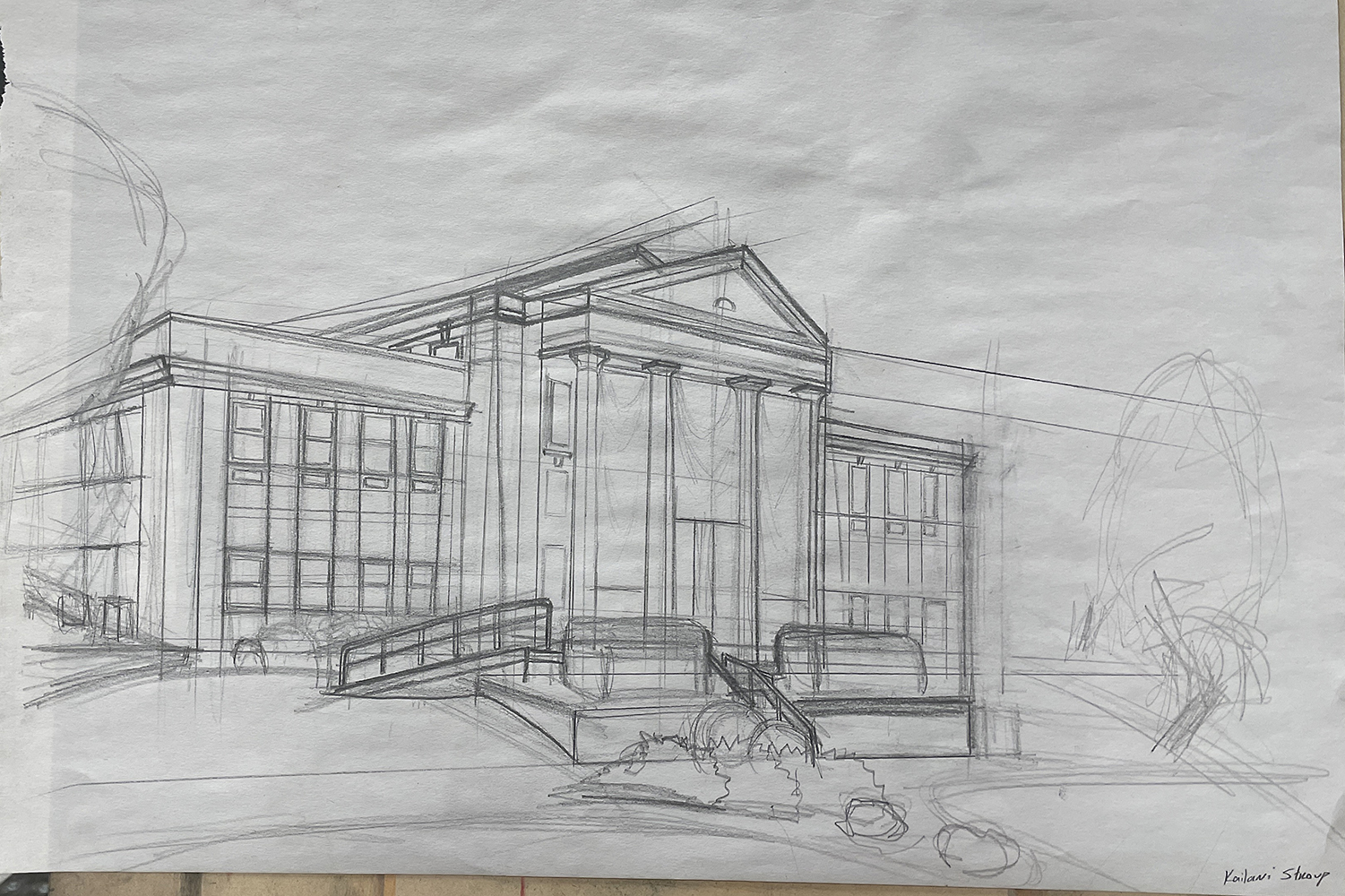
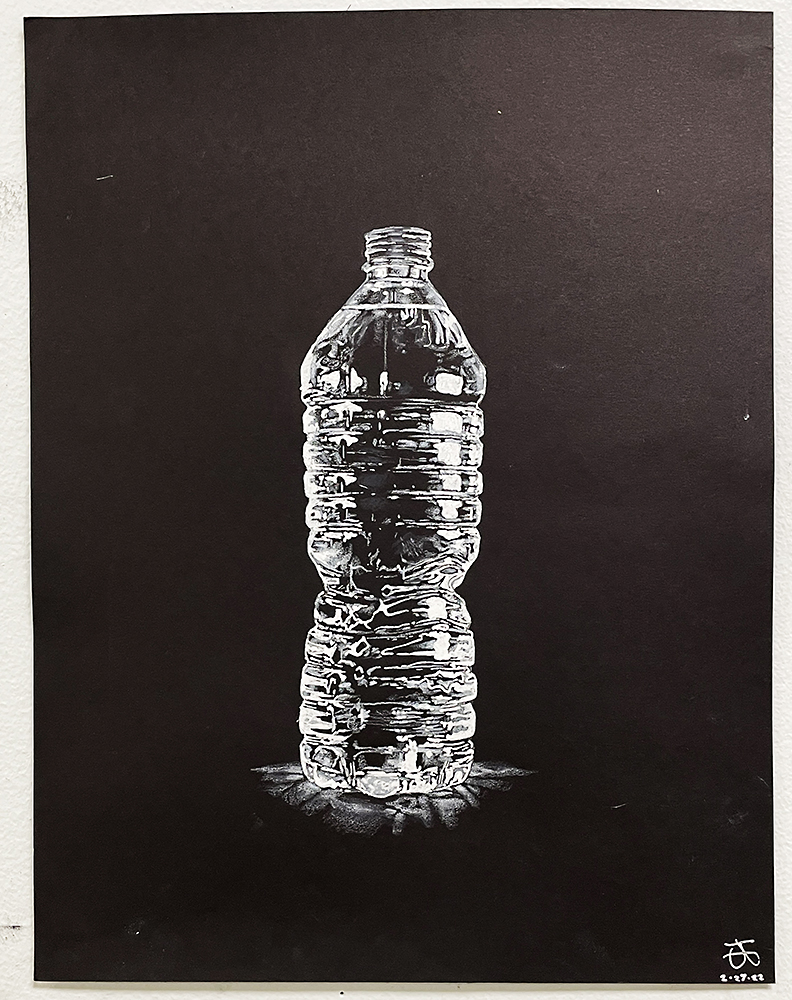
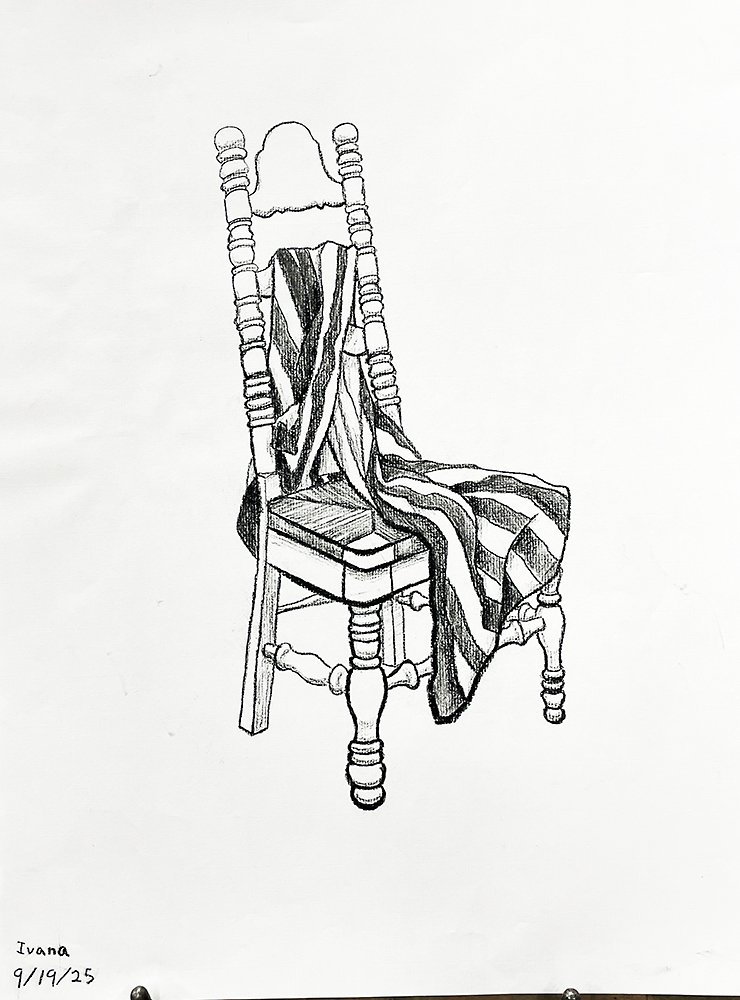
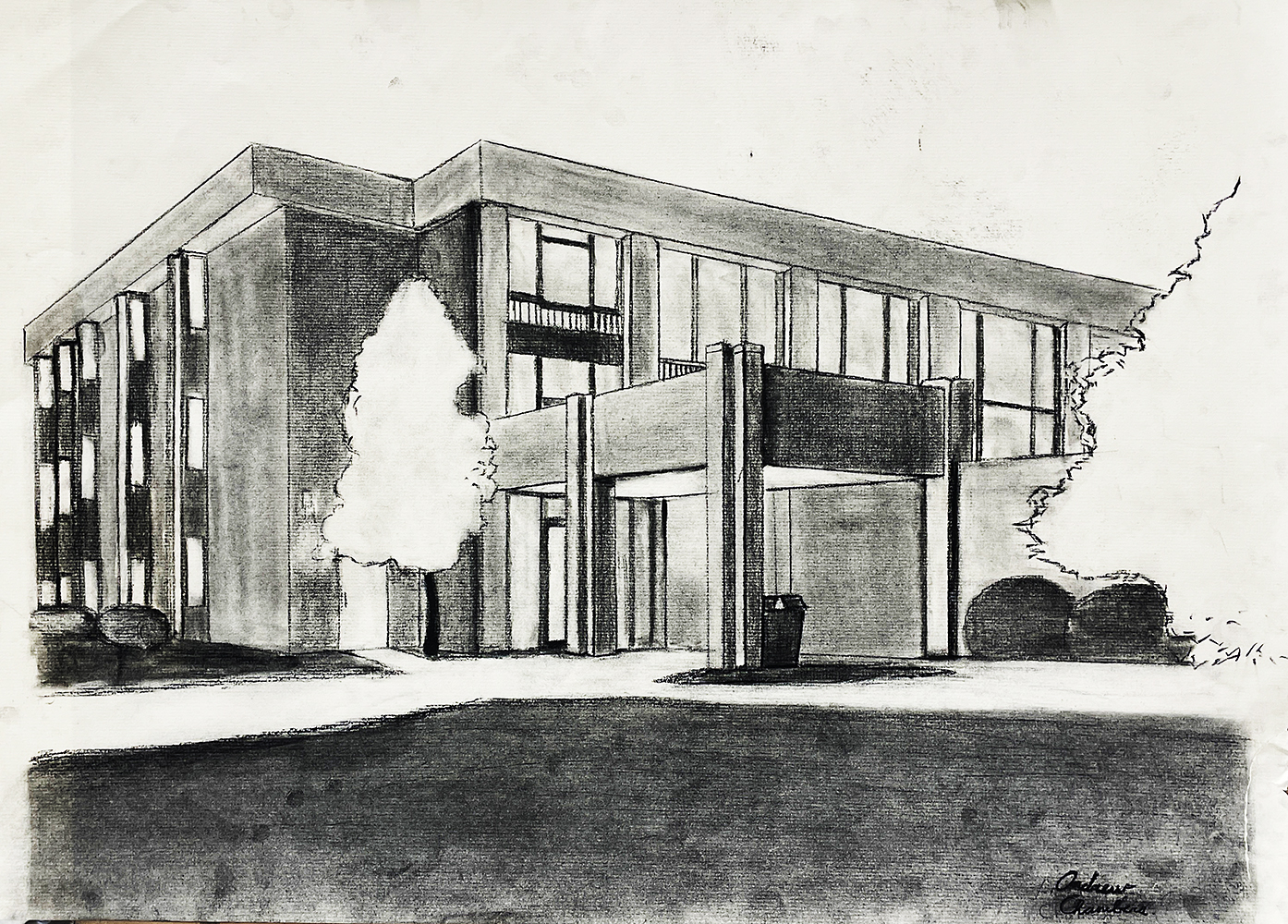
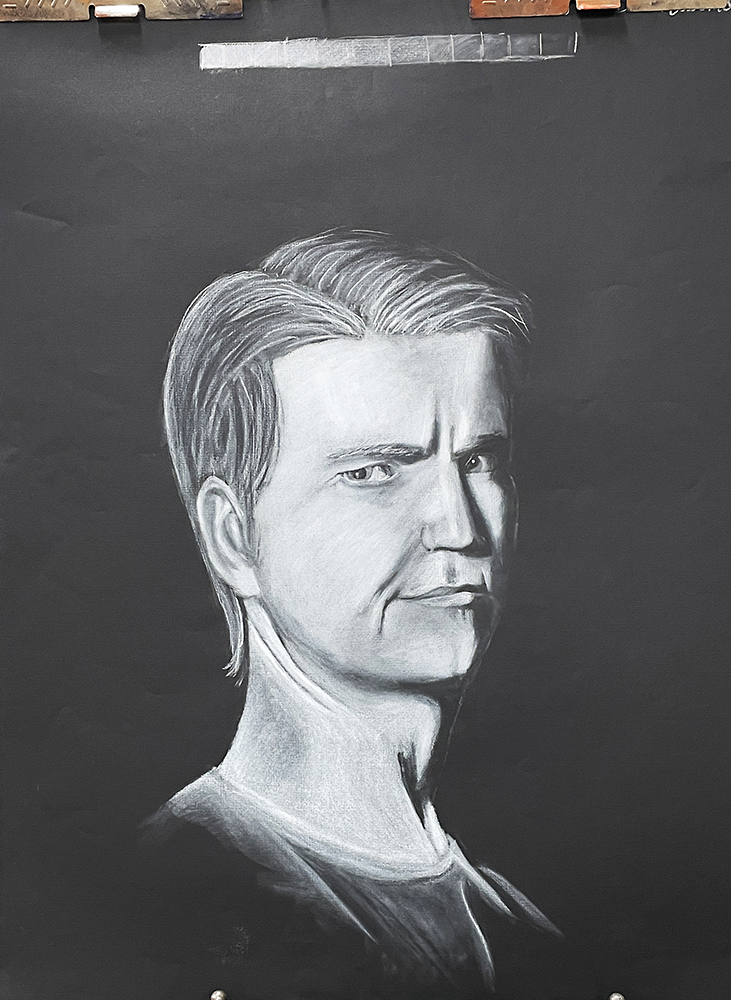
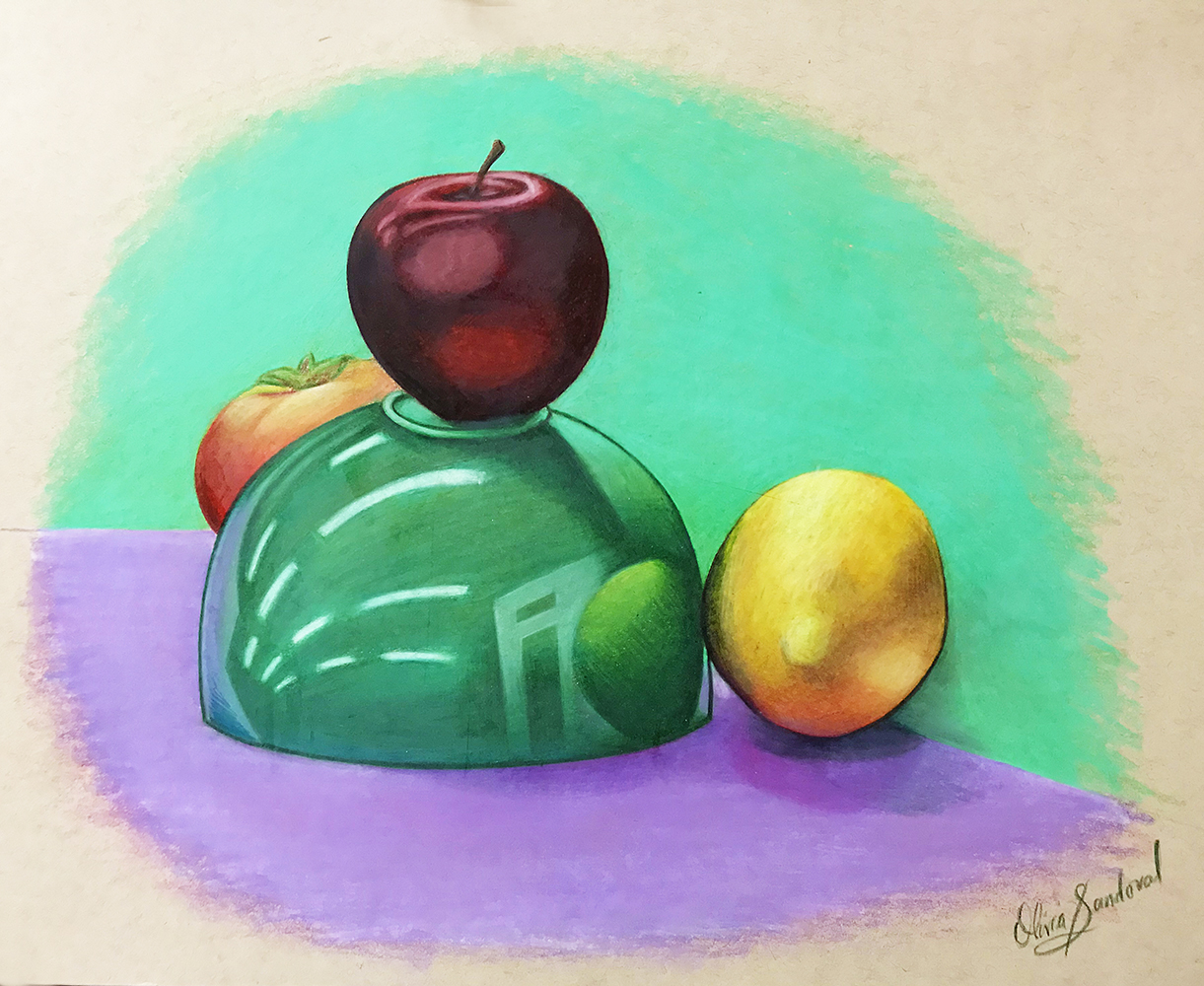
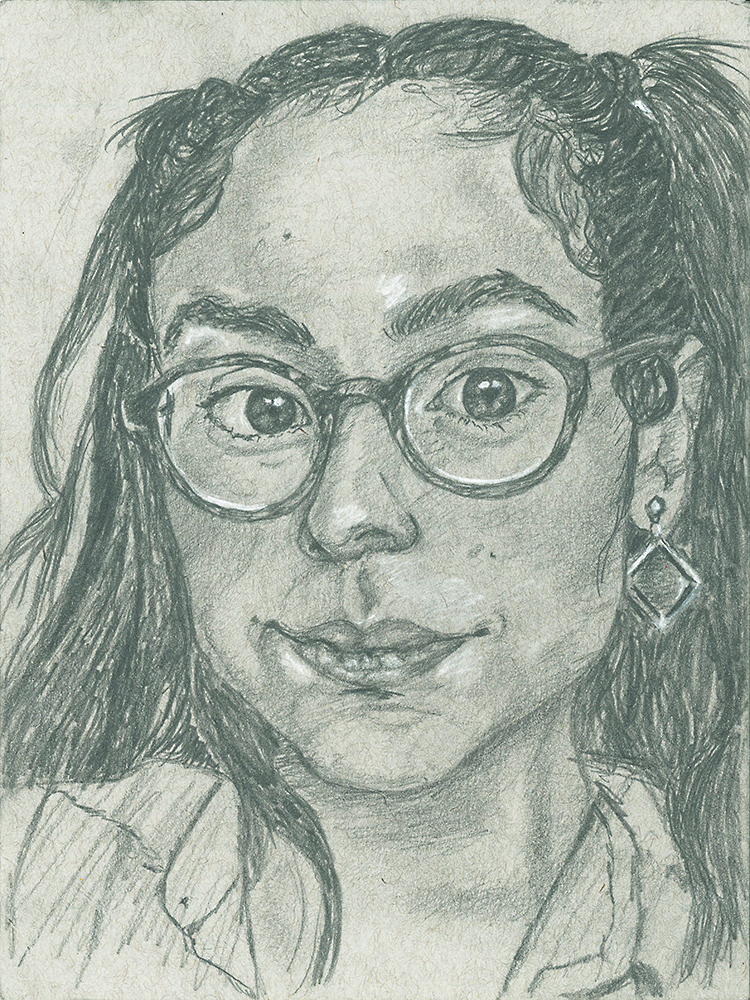
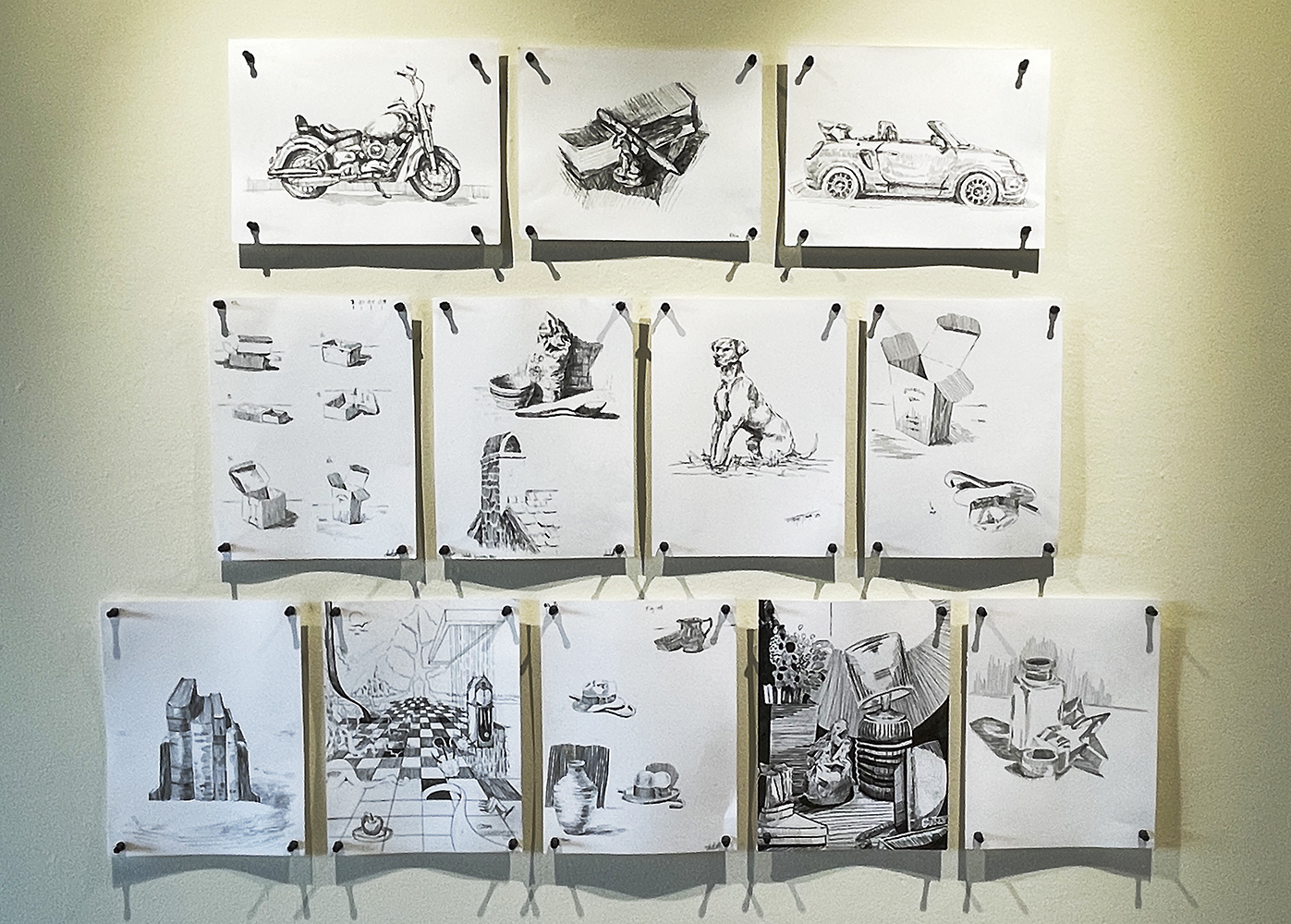
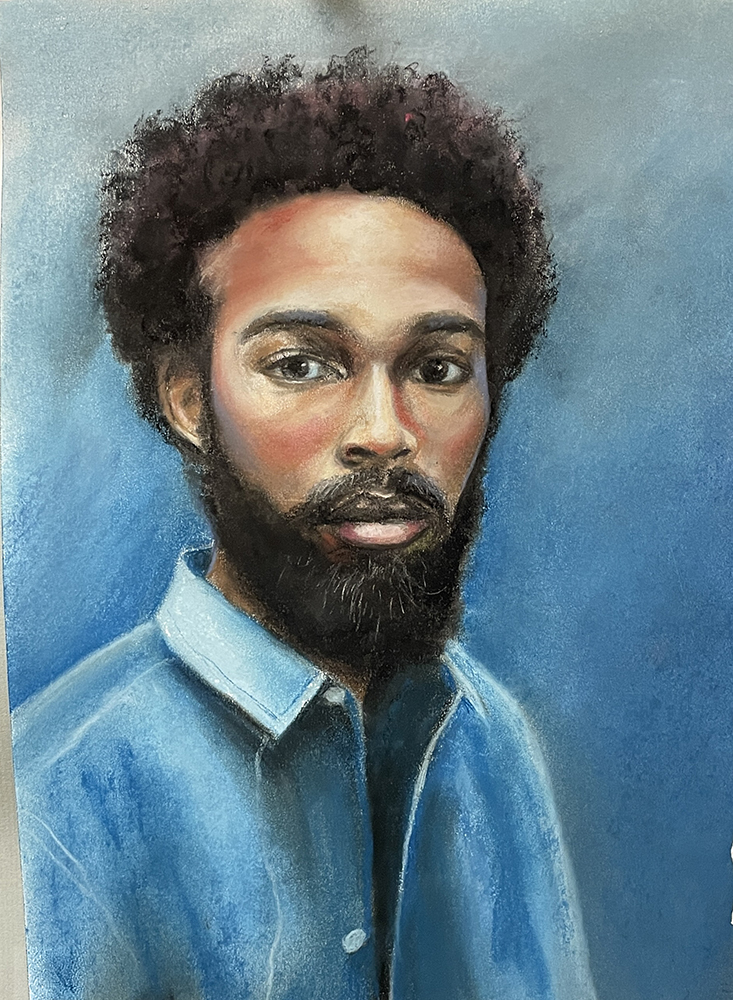
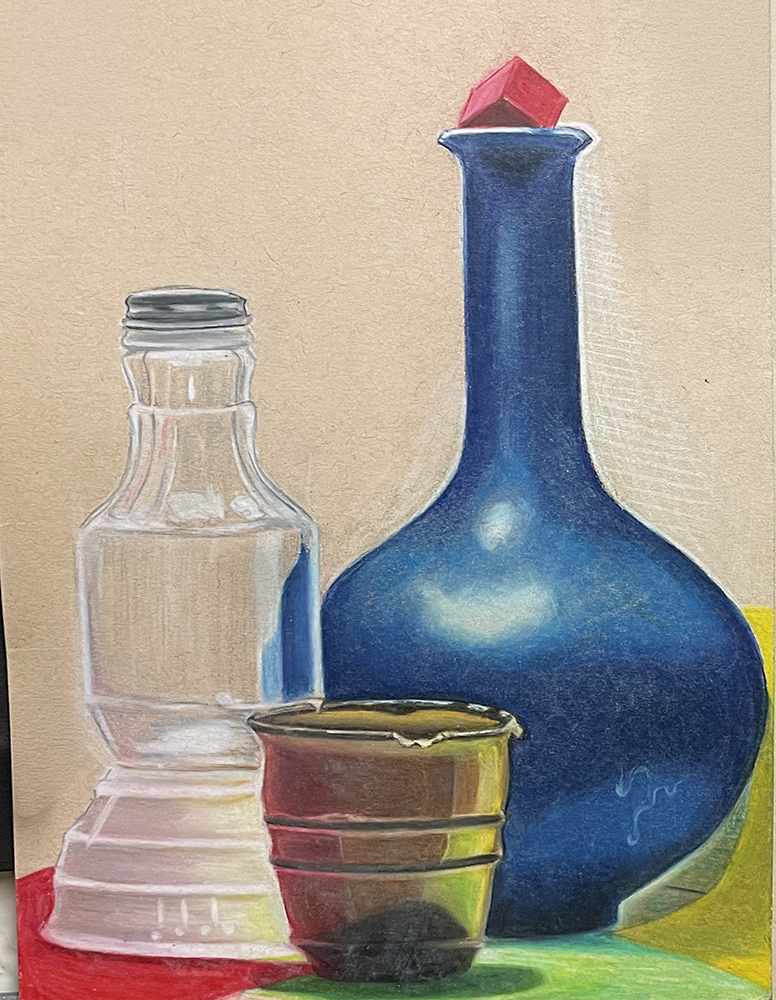
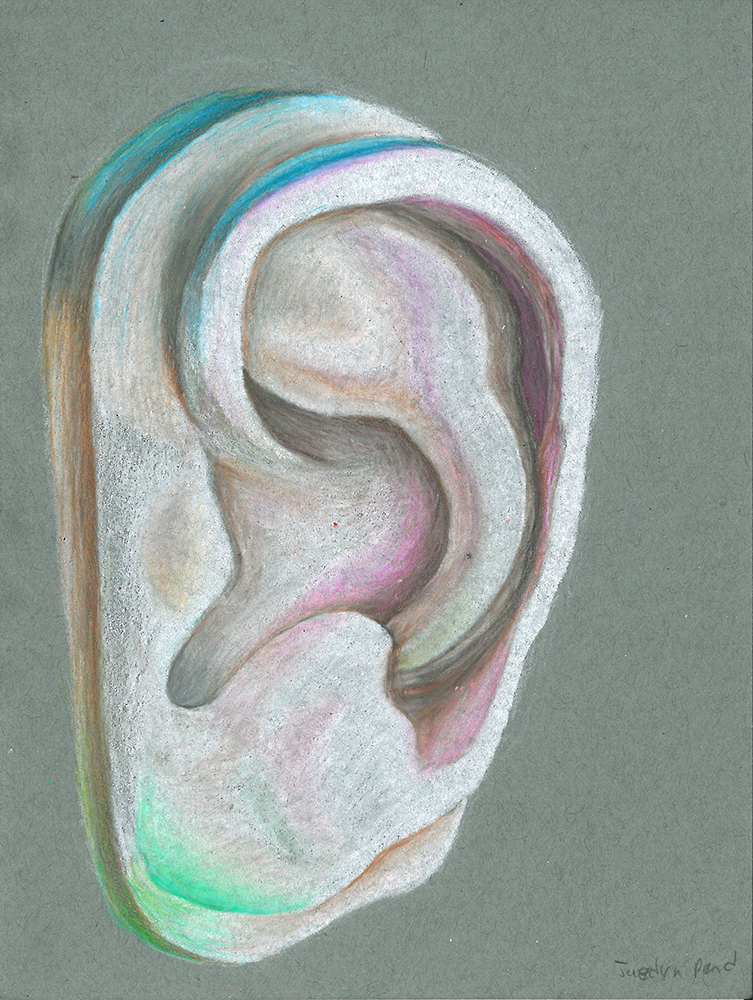
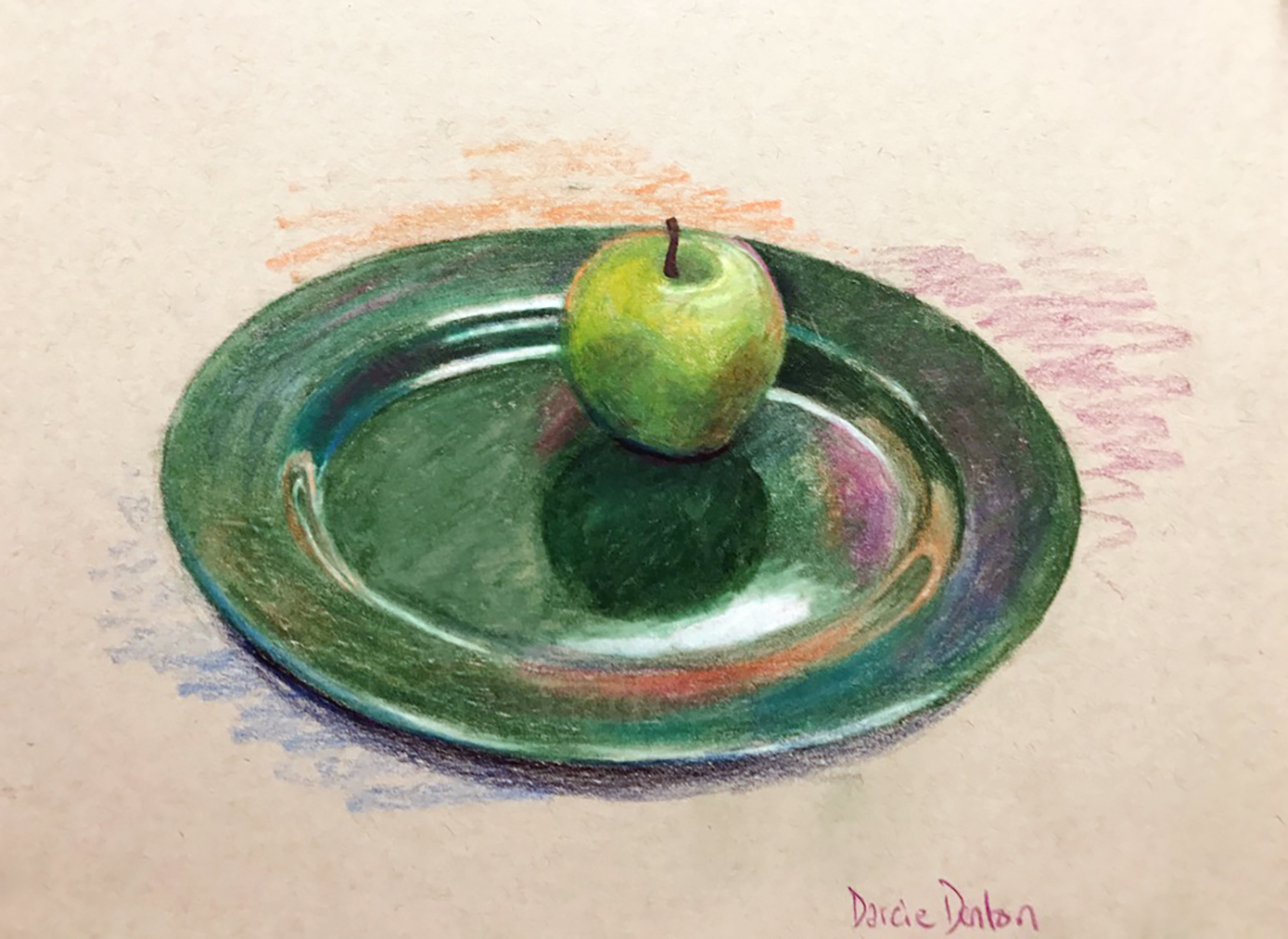
The courses listed below are core studio requirements for most SVAD programs and are commonly submitted for transfer credit. They serve as examples of the quality, scope, and depth of work expected for transfer approval. All completed courses may be considered for transfer credit. [See images below for examples of the quality of work desired for consideration.]
- ART 104 – Drawing 1 (Required for all SVAD majors)
- ART 105 – Drawing 2 (Required for all Fine Art and Animation majors)
- ART 109 – 2D Foundations: Plane and Color (Required for all SVAD majors)
- ART 110 – 3D Foundations: Space and Time (Required for all Fine Art and all BFA SVAD majors)
- ARTG 115 – Intro to Graphic Design (Required for Graphic Design, Fine Art, and Film majors)
*Additional courses may be accepted for transfer credit. The same process applies.
Drawing 1 & 2 Examples
This is a collection of student work to give you an idea of the expected level of work for transfer credit.



2D & 3D Foundations Examples
Here are examples of student work from 2D and 3D foundations. They cover the basic principles of layout, color, texture, line, space, concept development, and more.