
CURRENT EXHIBITION
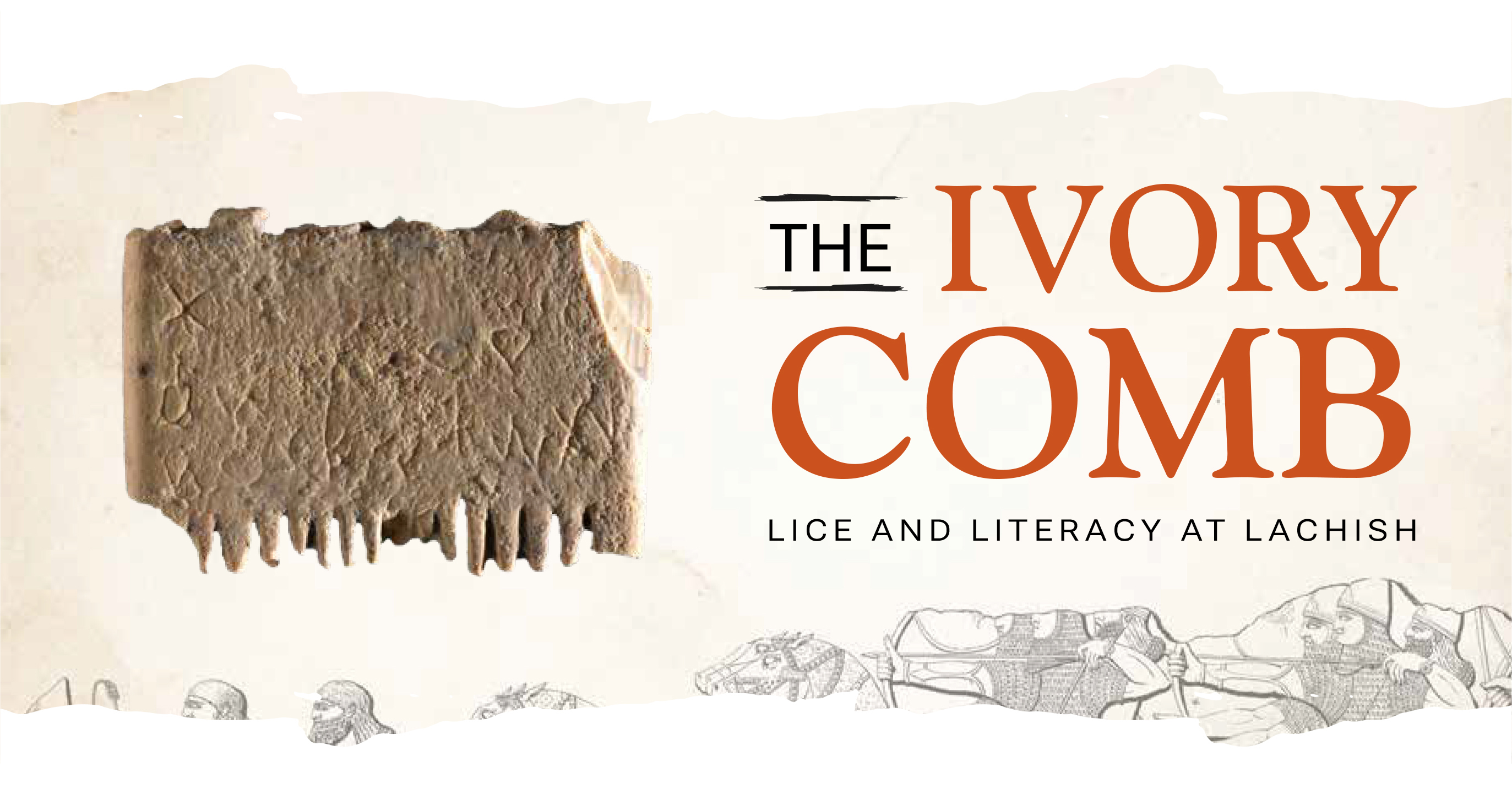
This significant artifact, discovered by archaeologists from Southern Adventist University and Hebrew University of Jerusalem, was on display at the Lynn H. Wood Archaeological Museum from January 27 through May 2, 2025. The comb features the oldest known complete alphabetic sentence: "May this tusk root out the lice of the hair and the beard."
This remarkable find has been featured in the New York Times, Smithsonian, CNN, and BBC and was named the #1 discovery in biblical archaeology by Christianity Today. The exhibit was the only opportunity to view this linguistically significant artifact in the United States.
PEACE AND WAR: THE ASSYRIAN CONQUEST OF LACHISH
Peace and War: The Assyrian Conquest of Lachish featured over 80 artifacts and objects from the Fourth Expedition to Lachish, a series
of excavations from 2013 to 2017 in the royal city that was second only to Jerusalem
in ancient Judah. This exhibit showcased the story of a critical tipping point in
history that determined the survival of ancient Israel, its kings, and the covenant
promise of the Messiah.
Peace and War: The Assyrian Conquest of Lachish focused on the domestic life of tranquility in the elite houses of the city of Lachish,
viewed through artifacts from everyday life, such as textile production, cooking,
trade, and commerce. It also illustrated the devastating effects of Sennacharib's
seige against the city.
King Hezekiah prepared his country for the impending siege with provisions distributed through a central economic system that included hundreds of storage jars marked with official stamps reading "LMLK," which means "for the king." In Scripture, Sennacherib's campaign is recorded in Kings, Chronicles, and Isaiah. It is also found in the Assyrian conquerors' annals and on the 12 relief panels that depict his crusade against Lachish. Together, these accounts tell the incredible story of conquest and deliverance, peace and war, compromise and faithfulness, despair and hope.